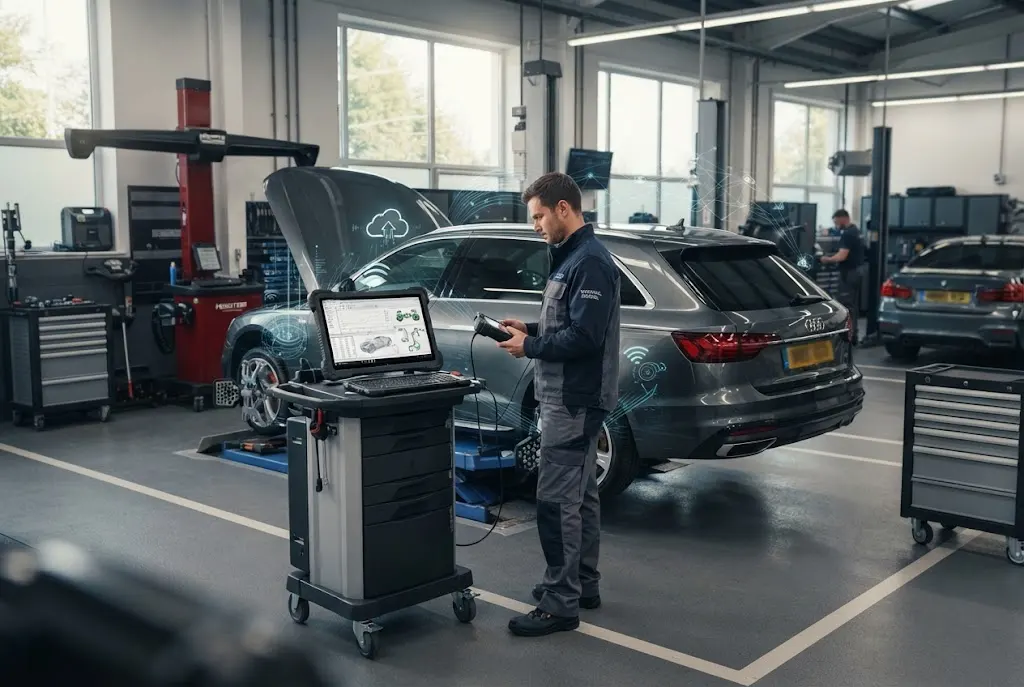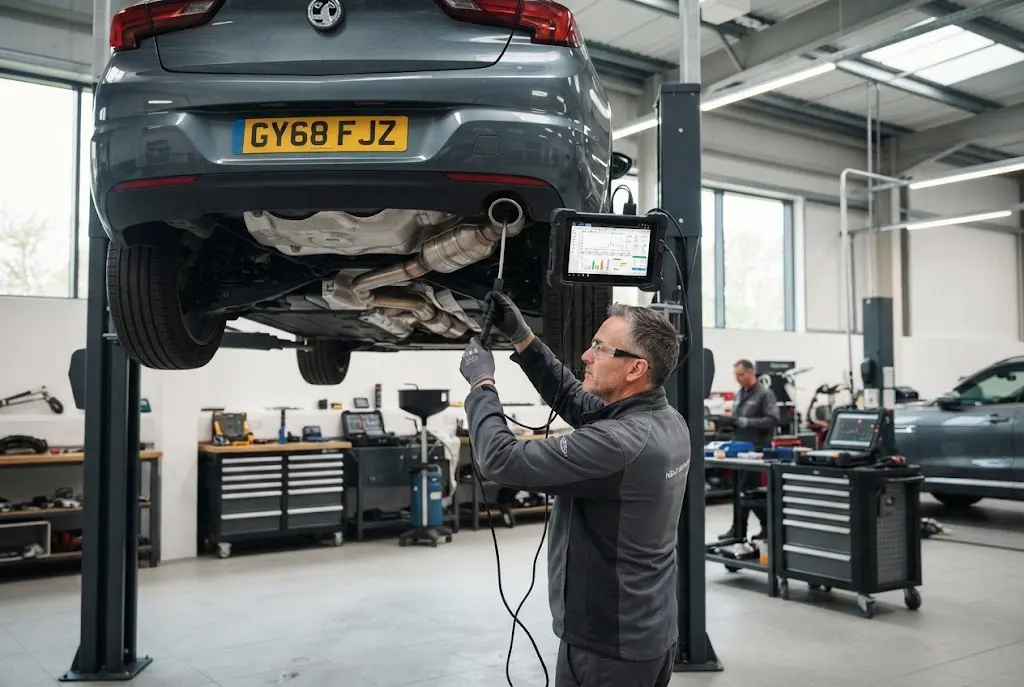
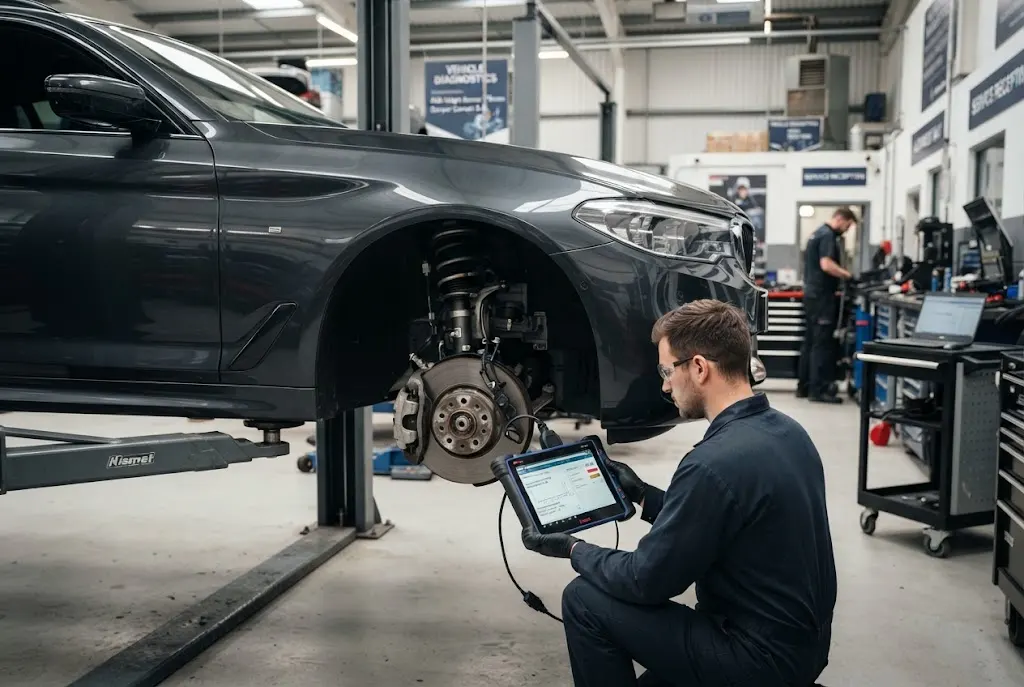
Modern suspension repair is becoming more technology-driven as vehicles increasingly rely on electronic sensors, digital controls and connected diagnostic systems. Traditional suspension components such as springs, dampers, bushes and control arms remain essential, but many newer vehicles also use electronic systems to monitor movement, steering behaviour and vehicle stability. These developments are changing how technicians diagnose suspension problems and plan maintenance.
Adaptive suspension technology can adjust damping characteristics according to driving conditions, while advanced diagnostic systems can help technicians identify unusual patterns. When combined with professional inspection, technologies such as AI suspension monitoring and suspension analytics can provide additional information about a vehicle’s condition.
What Is Adaptive Suspension?
Adaptive suspension is a vehicle suspension system that can adjust its behaviour electronically or mechanically according to changing driving conditions. Instead of maintaining exactly the same damping characteristics in every situation, an adaptive system can alter its response based on factors such as road conditions, vehicle movement, steering input and driving mode.
The technology can vary considerably between vehicles. Some systems use electronically controlled dampers, while more advanced setups may incorporate air suspension or other electronically managed components.
The underlying objective is to balance ride comfort, handling and vehicle stability. When the road surface changes or the driver changes driving conditions, the suspension system can respond accordingly.
How Technology Is Changing Suspension Repair
As suspension systems become more sophisticated, suspension repair increasingly involves both mechanical inspection and electronic diagnosis. A technician may need to examine conventional components while also checking sensors, wiring, electronic control units and system fault codes.
This creates a broader diagnostic process. A vehicle might have a physical suspension issue, an electronic fault or a combination of both. For example, a sensor problem could affect how an electronically controlled suspension system responds without necessarily meaning that the mechanical components themselves have failed.
Professional diagnosis therefore remains important. Electronic diagnostic information can identify areas requiring attention, but technicians still need to inspect components and determine the underlying cause.
AI Suspension Monitoring and Vehicle Data
AI suspension monitoring uses data from vehicle systems to help identify patterns associated with suspension behaviour. Depending on the vehicle and technology platform, information can potentially include wheel movement, steering inputs, acceleration, vehicle position and other sensor readings.
Instead of considering a single measurement in isolation, data-analysis systems can examine patterns over time. This may help highlight unusual behaviour that deserves further inspection.
For example, if a vehicle repeatedly produces measurements that differ from its normal operating pattern, a diagnostic platform could flag the issue for a technician. The technician can then inspect the relevant suspension components and determine whether repair or further testing is required.
AI does not remove the need for professional diagnosis. Rather, it can help organise and interpret large amounts of information that would otherwise be difficult to analyse manually.
The Importance of Suspension Diagnostics
Suspension diagnostics can involve visual checks, physical testing and electronic analysis. The exact process depends on the vehicle and the type of suspension fitted.
Common areas of investigation can include shock absorbers, springs, suspension bushes, ball joints, control arms and other components. On vehicles with electronically controlled suspension, technicians may also investigate sensors, wiring and control modules.
A comprehensive diagnostic approach is particularly useful when symptoms are difficult to reproduce. A vehicle may feel normal on a short journey but behave differently over uneven roads or during particular steering manoeuvres.
Combining driver observations with diagnostic information and physical inspection can give technicians a more complete understanding of the problem.
Steering Sensors and Suspension Behaviour
Steering sensors can provide valuable information to modern vehicle systems. Steering angle and related measurements can be used by electronic vehicle-control systems to understand what the driver is attempting to do and how the vehicle is responding.
This information can interact with suspension and stability technologies. In some vehicles, electronic systems use information from several sensors to manage vehicle behaviour.
That is why a suspension-related fault should not always be considered in isolation. Steering, braking, wheel alignment and stability systems can interact with one another, particularly on modern vehicles with extensive electronic control.
For drivers, this means a professional workshop may need to investigate several connected systems when diagnosing an unusual handling problem.
Vehicle Stability Systems and Suspension
Vehicle stability systems are designed to help maintain control under changing driving conditions. These systems can use information from wheel-speed sensors, steering sensors and other vehicle inputs.
Suspension behaviour can influence how a vehicle responds to steering and road surfaces. Worn or damaged suspension components can therefore affect overall handling and may also influence the information available to electronic safety systems.
For this reason, suspension maintenance is more than a comfort issue. Correctly functioning suspension components contribute to predictable vehicle behaviour, tyre contact with the road and overall handling.
Predictive Suspension Maintenance
Predictive suspension maintenance aims to move beyond fixed maintenance intervals by using vehicle-condition information to identify potential problems earlier.
Instead of relying exclusively on mileage or time, a predictive approach can consider data collected during normal vehicle operation. Changes in suspension behaviour may be monitored over time and reviewed when they move outside an expected range.
This can be especially relevant for vehicles that experience demanding use. High-mileage vehicles, commercial fleets and cars regularly driven on poor road surfaces may experience different suspension stresses from vehicles used mainly for short journeys on smooth roads.
Predictive systems can potentially help identify trends before a driver notices a major change. However, prediction should be treated as an additional maintenance tool rather than a guarantee that a component will fail at a specific time.
Digital Suspension Control
Digital suspension control allows electronic systems to influence suspension behaviour. Depending on the vehicle, the system may adjust damping or other suspension characteristics based on inputs from sensors and control modules.
Driving modes can also change how the suspension behaves. A vehicle may offer settings designed around comfort, normal driving or more responsive handling, with the electronic system adjusting the suspension accordingly.
These features create new requirements for workshops. Technicians need to understand how the mechanical components operate alongside the electronic controls that manage them.
Suspension Analytics and Long-Term Maintenance
Suspension analytics can help turn repeated vehicle measurements into useful maintenance information. A single diagnostic event provides a snapshot, while historical data can reveal whether vehicle behaviour is changing over time.
This approach can support fleet operators and workshops that maintain multiple vehicles. Service records can potentially be combined with diagnostic information to create a more detailed picture of vehicle condition.
Analytics may also help identify recurring issues. If similar faults repeatedly appear after particular operating conditions, technicians can investigate the underlying cause instead of treating every service visit as an isolated event.
How Adaptive Suspension Affects Workshop Diagnostics
Adaptive systems can make suspension diagnosis more complex because there are more components and potential failure points to consider. A problem could involve a mechanical component, an electronic sensor, an actuator, wiring or software-related control.
As a result, technicians may need specialised diagnostic equipment and manufacturer-specific procedures. Correct diagnosis is particularly important before replacing expensive suspension components unnecessarily.
A good diagnostic process should identify the evidence supporting a repair recommendation. Drivers can ask workshops what was inspected, what fault information was found and which component requires attention.
Suspension Repair and Wheel Alignment
Suspension work can also have implications for wheel alignment. Replacing or repairing certain suspension components may alter wheel geometry, depending on the vehicle and the components involved.
That makes alignment an important consideration after relevant suspension work. Modern wheel alignment equipment can measure vehicle geometry precisely and help technicians identify deviations from the manufacturer’s specifications.
Correct alignment can also contribute to more predictable handling and more even tyre wear. For that reason, suspension and alignment services can sometimes form part of the same maintenance process.
What Drivers Should Watch For
Drivers should pay attention to changes in the way a vehicle behaves. Common signs that may justify a suspension inspection include unusual bouncing, excessive body movement, uneven tyre wear, knocking noises, changes in ride height or altered handling.
A vehicle that pulls to one side or behaves differently when cornering may also require professional assessment. Such symptoms do not automatically identify a particular failed component, so diagnosis should be based on inspection rather than assumption.
Dashboard warnings should also be taken seriously on vehicles equipped with electronically controlled suspension. A warning may indicate a sensor, control-system or mechanical issue that requires further investigation.
The Future of Suspension Technology
Vehicle suspension is becoming increasingly connected to the wider digital architecture of modern cars. Sensors, control modules and software can work together to monitor vehicle behaviour and adjust suspension characteristics.
This development is also connected to the broader growth of automotive software. As vehicles become more software-defined, suspension, braking, steering and other systems can increasingly share data and communicate through vehicle networks.
Future diagnostic platforms may make greater use of predictive analytics and connected servicing. However, mechanical expertise will remain important because suspension systems still depend on physical components that wear, deform and require replacement.
Choosing a Suspension Repair Service
When arranging suspension repair, drivers should consider whether the workshop can diagnose both conventional and electronically controlled suspension systems. A modern vehicle may require more than a visual inspection or basic fault-code scan.
Ask whether the workshop can access the appropriate diagnostic equipment and whether technicians will physically inspect the relevant components. A clear explanation of the findings can also help drivers understand why a particular repair is recommended.
As adaptive suspension becomes more common, the combination of mechanical expertise, electronic diagnostics and data analysis will become increasingly relevant to professional vehicle servicing.
Conclusion
Adaptive suspension technology is changing the way vehicles manage ride comfort, handling and stability, while also changing the requirements for modern suspension repair. Sensors, digital controls and analytics can provide technicians with more information about how a vehicle is behaving.
AI suspension monitoring and predictive maintenance may help identify unusual patterns earlier, but these technologies work best alongside professional inspection and established repair practices. For vehicle owners, the practical priority remains the same: investigate unusual handling or suspension symptoms promptly and use qualified technicians who understand both the mechanical and electronic aspects of modern vehicles.
As connected vehicle technology develops, suspension will increasingly form part of a larger digital maintenance ecosystem alongside braking, wheel alignment, exhaust systems and other automotive services.