Modern wheel alignment is becoming increasingly precise as automotive workshops adopt digital measurement systems, alignment sensors and automated diagnostic equipment. Traditional alignment remains an essential part of vehicle maintenance, but newer technology can provide technicians with more detailed measurements and help identify changes in wheel geometry more efficiently.
Accurate alignment matters because wheel angles influence handling, steering behaviour and tyre wear. Digital equipment can make it easier to measure these angles, compare them with the appropriate specifications and identify areas that require adjustment. As automotive servicing becomes more connected, technologies such as AI tracking systems, digital calibration and tyre wear analytics are also creating new possibilities for alignment diagnostics.
What Is Wheel Alignment?
Wheel alignment is the process of checking and, where necessary, adjusting the angles of a vehicle’s wheels so they are positioned correctly relative to the vehicle and the road.
The main alignment measurements commonly considered include camber, caster and toe. The correct settings vary according to the vehicle, suspension design and manufacturer specifications.
When alignment is outside the appropriate range, a vehicle may exhibit symptoms such as uneven tyre wear, steering that does not feel centred or changes in handling. However, these symptoms can have multiple causes, which is why professional measurement is more reliable than attempting to diagnose alignment problems based solely on how the vehicle feels.
How Digital Wheel Alignment Works
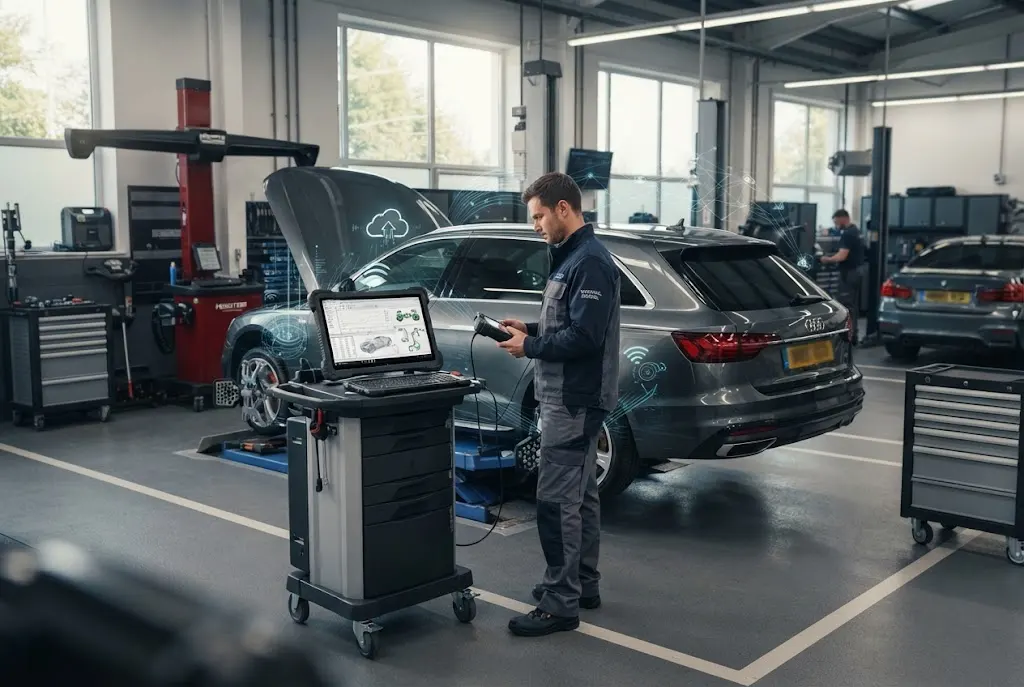
Digital wheel alignment systems use electronic measurement equipment to determine wheel and suspension geometry. Instead of relying on older manual measurement methods alone, modern equipment can capture measurements and display them digitally for technicians.
Many systems use sensors attached to the wheels or other measurement targets. The equipment then calculates the relevant angles and compares the readings against specified values.
This can make the alignment process easier to document and interpret. Technicians can see which measurements fall outside the desired range and make adjustments accordingly.
Digital systems can also provide before-and-after measurements, helping demonstrate what changed during the service. This can be useful for both technicians and vehicle owners because it creates a clearer record of the work performed.
Alignment Sensors and Accurate Measurements
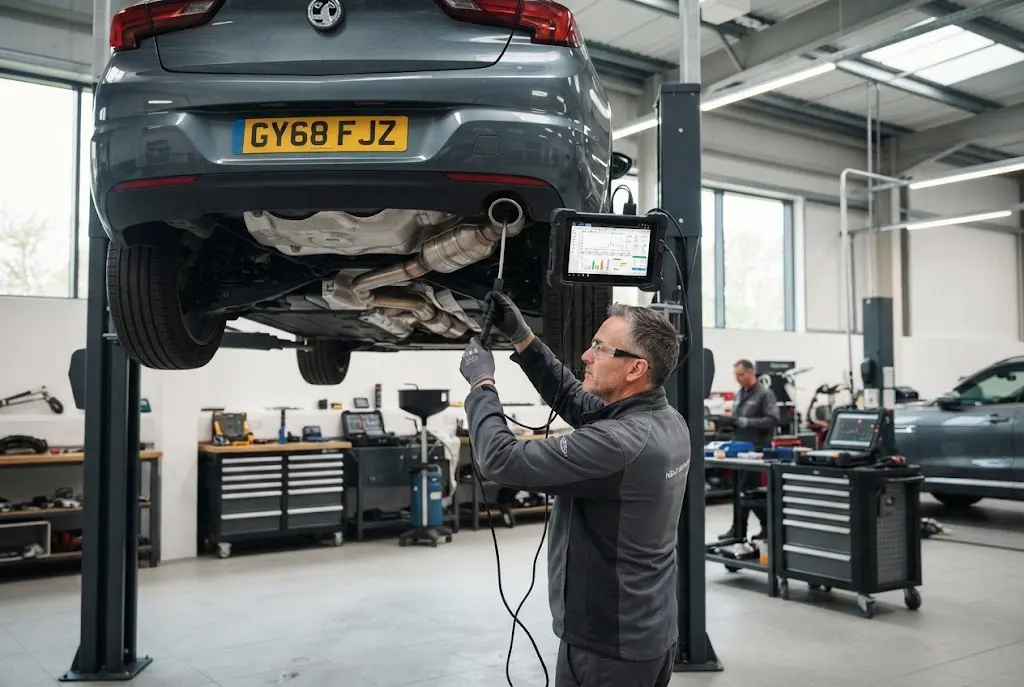
Alignment sensors are central to many modern alignment systems. Their purpose is to capture accurate information about wheel position and vehicle geometry so the diagnostic equipment can calculate alignment measurements.
Sensor-based systems can reduce reliance on manual measurement and provide repeatable readings when correctly installed and calibrated. However, the quality of the result still depends on proper equipment setup, sensor positioning and technician procedures.
For this reason, sophisticated equipment does not automatically guarantee a correct alignment. Professional training and careful preparation remain important parts of the process.
Laser Alignment Technology
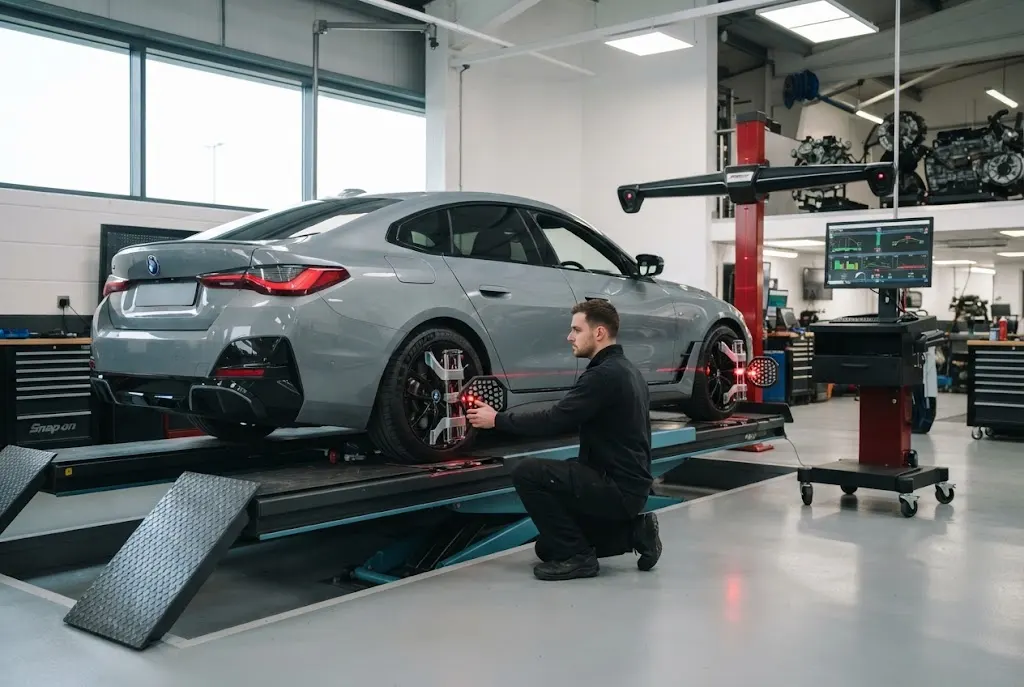
Laser alignment has been used in automotive workshops to help technicians measure wheel positioning accurately. Laser-based systems can provide a visual reference for alignment measurements and help identify deviations from the required geometry.
Modern workshops may combine laser technology with computerised measurement systems. The result can be a more detailed diagnostic process in which technicians can identify alignment deviations and make adjustments based on measured data.
The exact equipment used varies between workshops. Some systems rely primarily on cameras, while others incorporate laser technology or other optical measurement methods.
Smart Wheel Balancing and Alignment
Wheel alignment and wheel balancing are different services, although they are often discussed together because both can influence driving comfort and tyre performance.
Smart wheel balancing equipment can measure imbalance in a wheel and tyre assembly and indicate where corrective weights may be required. Alignment equipment, meanwhile, focuses on wheel geometry and positioning.
Understanding this distinction is important when diagnosing vehicle symptoms. A steering vibration at particular speeds may have a different cause from uneven tyre wear caused by incorrect alignment.
A professional workshop can assess both areas when appropriate instead of assuming that every wheel-related problem has the same cause.
AI Tracking Systems for Alignment
AI tracking systems are part of the wider development of intelligent automotive diagnostics. In an alignment environment, computer vision and data analysis can potentially help identify vehicle geometry patterns and compare measurements against expected values.
AI can also support the analysis of historical information. If a workshop maintains records of previous measurements, software may be able to highlight repeated deviations or changes over time.
This could become particularly useful for commercial fleets where many vehicles need regular inspection. Instead of reviewing every measurement manually, technicians may be able to use software to identify vehicles requiring closer attention.
AI should nevertheless remain a supporting technology. Alignment adjustments require accurate physical measurements and appropriate technical judgement.
Tyre Wear Analytics and Alignment Problems
Tyre wear analytics can provide useful clues about the relationship between tyre condition and wheel geometry. Uneven wear patterns may indicate that a vehicle needs an alignment inspection, although tyre wear can also result from inflation problems, suspension faults, driving conditions and other factors.
Digital tyre inspection systems can potentially record tread measurements and other information, creating a more detailed maintenance record.
When tyre data is combined with alignment measurements, technicians can develop a clearer picture of vehicle condition. This can be particularly useful when investigating recurring tyre wear or handling complaints.
Automated Alignment in Modern Workshops
Automated alignment technology can streamline parts of the measurement process. Computerised systems can capture data, calculate measurements and provide instructions or adjustment targets for technicians.
Automation can improve consistency when equipment is correctly configured and used according to the manufacturer’s procedures. It can also reduce the time needed to manually calculate certain measurements.
However, automated equipment does not eliminate the need to inspect the vehicle. Worn suspension components, damaged steering parts or other mechanical problems can affect alignment measurements. If an underlying component is damaged, simply adjusting alignment angles may not resolve the actual problem.
Digital Calibration and Alignment Accuracy
Digital calibration is an important part of maintaining accurate measurement equipment. Alignment systems depend on sensors, cameras, targets and other components being correctly calibrated.
If equipment is incorrectly calibrated, the displayed measurements may not accurately represent the vehicle’s actual geometry. Professional workshops therefore need appropriate procedures for equipment maintenance and calibration.
Calibration is also relevant beyond alignment. Modern vehicles increasingly use cameras and sensors for driver-assistance functions, meaning that accurate calibration is becoming a broader issue within automotive servicing.
When Should You Consider Wheel Alignment?
Drivers may want to consider an alignment inspection when they notice uneven tyre wear, changes in steering behaviour or a steering wheel that no longer appears centred when driving on a suitable road.
An alignment check may also be appropriate after certain suspension or steering repairs, depending on which components were replaced or adjusted. For example, work involving steering or suspension geometry can sometimes affect wheel positioning.
Drivers should also consider checking alignment after a significant impact with a pothole, kerb or other road hazard if the vehicle subsequently feels different. An inspection can determine whether the geometry has changed or whether another component requires attention.
Wheel Alignment and Suspension Systems
Alignment is closely connected with suspension geometry. Worn or damaged suspension components can influence wheel positioning, while incorrect alignment can contribute to uneven tyre wear and handling concerns.
This is why a good workshop should not treat alignment as an isolated computer adjustment. If measurements are outside the expected range, technicians should consider whether a mechanical issue is preventing the vehicle from maintaining the correct geometry.
Modern suspension repair can also involve electronically controlled suspension components and advanced diagnostics, making the relationship between suspension condition and alignment increasingly important.
Why Accurate Wheel Alignment Matters
Correct alignment can help a vehicle maintain predictable steering behaviour and promote more even tyre wear. It can also contribute to a more consistent driving experience.
Incorrect alignment does not necessarily produce dramatic symptoms immediately. A vehicle may continue to drive normally while gradually developing uneven tyre wear. Regular inspections can therefore be useful, particularly when a vehicle is experiencing unusual tyre wear or has recently undergone relevant repairs.
Digital equipment makes it easier for workshops to identify small deviations and provide measurable results rather than relying entirely on subjective observations.
Choosing a Modern Alignment Service
When selecting a workshop, drivers can ask whether it uses computerised alignment equipment and whether technicians provide before-and-after measurements. It is also worth asking whether the workshop checks for underlying suspension or steering problems when alignment readings are outside the expected range.
Quality equipment is valuable, but the technician’s ability to interpret measurements and carry out adjustments correctly remains essential.
A workshop that combines accurate measurement, physical inspection and clear reporting can provide a more complete service than one that treats alignment as a simple adjustment without investigating why the measurements changed.
The Future of Intelligent Wheel Alignment
The development of digital wheel alignment is part of a broader shift towards data-driven automotive servicing. Sensors, cameras, software and connected diagnostic platforms are increasingly being used to measure vehicle condition.
Future systems may combine alignment measurements with tyre wear information, suspension diagnostics and other vehicle data. This could make it easier to identify relationships between different maintenance issues rather than treating each symptom separately.
The wider automotive industry is also moving towards connected vehicle technologies and automotive software. As these systems develop, workshops may have access to increasingly detailed information about vehicle condition and maintenance history.
Conclusion
Modern wheel alignment combines established mechanical principles with increasingly sophisticated digital measurement technology. Digital alignment equipment, sensors, laser systems, automated measurement and analytics can help technicians work with more detailed information and provide clearer service records.
AI tracking and tyre wear analytics may add further capabilities as the technology develops, but accurate physical measurement and professional judgement remain central to a reliable alignment service.
For drivers, the practical approach is straightforward: investigate unusual tyre wear, steering changes or handling concerns, particularly after suspension or steering work or a significant road impact. A professional alignment inspection can establish whether the vehicle’s wheel geometry remains within the appropriate specifications and whether any related mechanical issue needs attention.