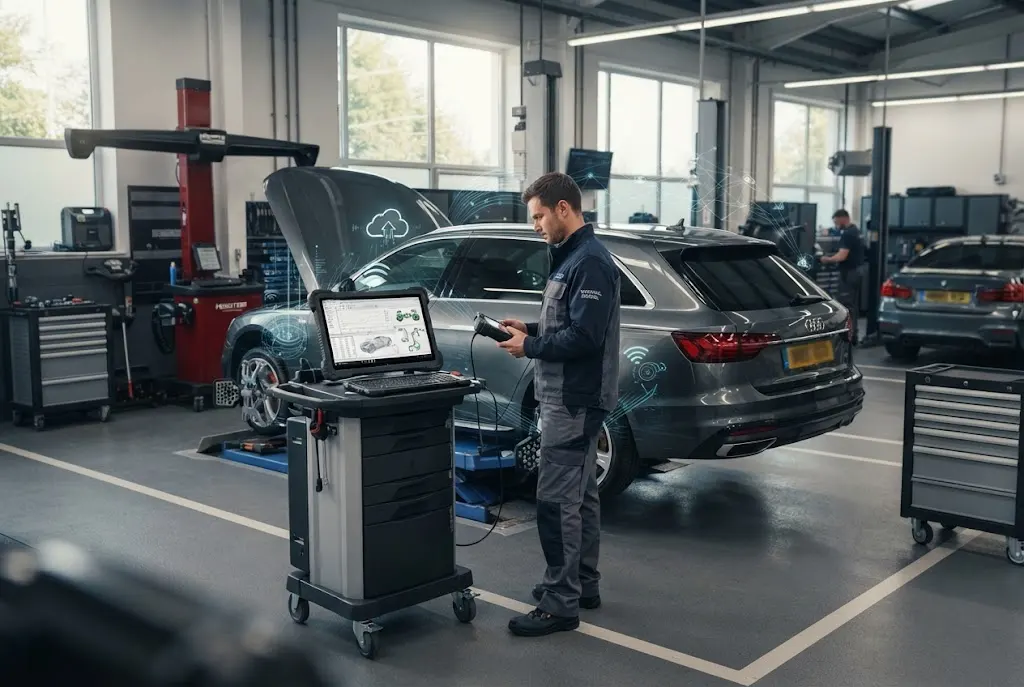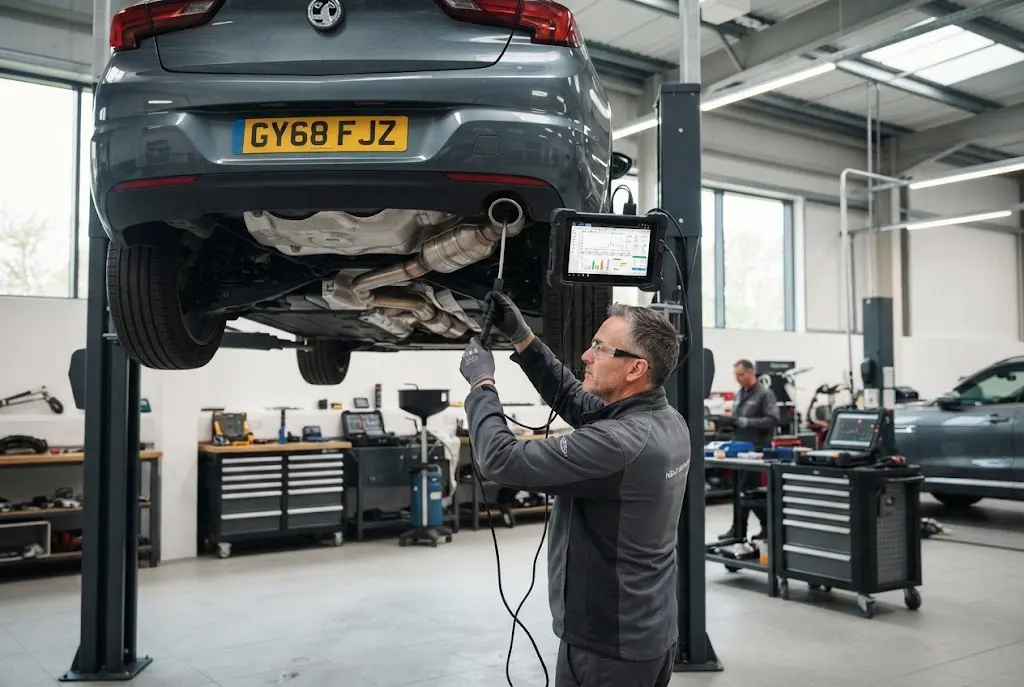
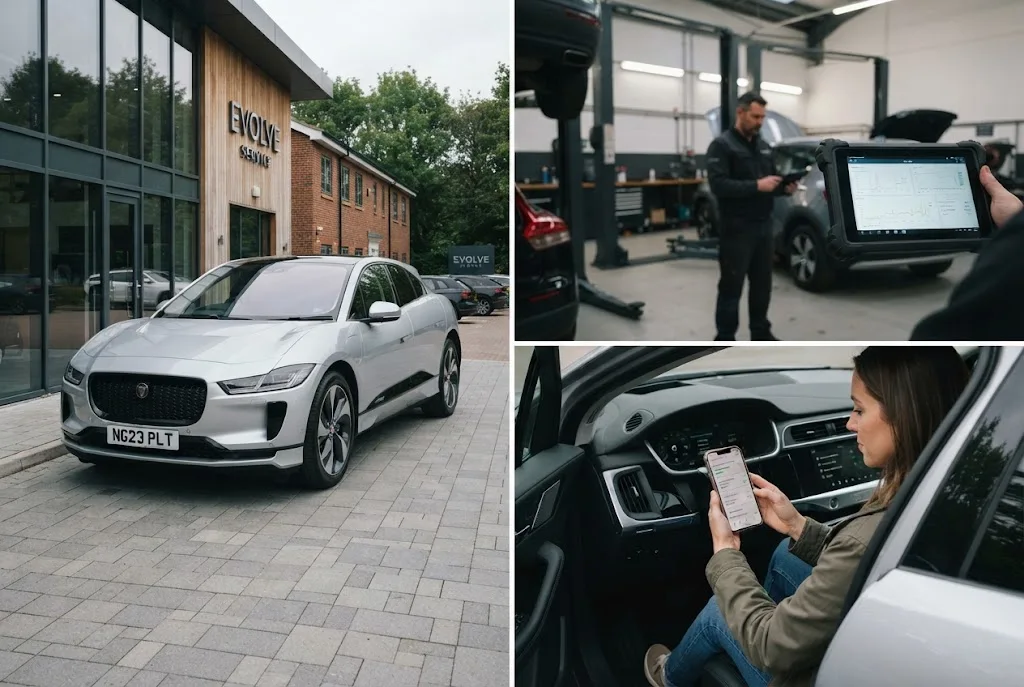
Modern car service plans are moving beyond simple reminders for annual servicing. As vehicles become more connected and automotive businesses adopt artificial intelligence, maintenance is increasingly becoming proactive, personalised and data-driven. Instead of waiting for a fixed date or reacting when a warning light appears, drivers can increasingly use digital systems to understand when their vehicle may need attention and organise servicing more efficiently.
Traditional servicing remains important. Manufacturers set maintenance schedules based on factors such as vehicle age, mileage and model requirements, while regular servicing can help identify developing problems before they become more serious. However, digital technology is changing how those schedules are managed. Predictive maintenance, AI maintenance scheduling, automated reminders and connected vehicle data can create a more responsive ownership experience.
For UK motorists, this shift could make routine vehicle care easier to manage while helping garages improve workshop planning and customer communication.
What Are Car Service Plans?
Car service plans are arrangements designed to help motorists manage scheduled vehicle maintenance over a defined period. Depending on the provider, a plan may cover scheduled servicing, certain maintenance costs, inspections or additional support services.
Some plans are offered alongside vehicle leasing or other ownership arrangements, while others can be purchased separately. The exact contents vary, so motorists should always check what labour, parts, inspections, repairs and additional services are actually included.
Traditional plans generally work around manufacturer-recommended servicing intervals. Digital systems can add another layer by using vehicle information, mileage records and service history to make the management of those plans more convenient.
For example, a digital service plan could remind a driver when a scheduled service is approaching, store previous maintenance information and help organise a booking without relying on paper records or manually tracking dates.
How AI Is Changing Car Service Plans
Artificial intelligence can make service planning more dynamic. Instead of treating every vehicle in the same way, intelligent systems can analyse available information and identify patterns that may influence maintenance planning.
This is particularly relevant to predictive maintenance. Predictive maintenance uses data analysis and machine learning to identify potential equipment problems before failure occurs. In automotive applications, the same general principle can support earlier maintenance decisions and better scheduling.
UK government digital marketplace material describes predictive maintenance as using data analytics and machine learning to identify potential failures, with features such as real-time monitoring, anomaly detection, failure prediction, alerts and maintenance scheduling.
For motorists, the practical benefit is not necessarily that AI replaces a mechanic. Instead, AI can help determine when human inspection or servicing should take place.
From Fixed Schedules to Predictive Maintenance
A conventional service reminder might say that a vehicle is due for maintenance after a particular period or mileage. That remains useful because manufacturer servicing schedules are important. However, connected vehicles can potentially provide additional information between scheduled services.
For example, an intelligent maintenance platform could combine service history with available vehicle data to identify unusual patterns. If the system detects information that suggests a component may require attention, it could generate an alert or recommend an inspection.
This creates a more flexible model: scheduled servicing remains the foundation, while predictive maintenance provides additional information that may help identify issues earlier.
AI Maintenance Scheduling for UK Drivers
AI maintenance scheduling could become one of the most useful features of future car service plans. Instead of simply telling drivers that a service is due, an intelligent platform could help coordinate the entire process.
A connected service platform could potentially consider mileage, previous service dates, customer preferences and available workshop appointments before recommending a suitable booking window.
For garages, this approach could also improve operational planning. The Society of Motor Manufacturers and Traders highlights how vehicle parc and MOT data can support workshop demand forecasting, parts demand forecasting and planning around future servicing, maintenance and repair activity.
That means intelligent service planning can benefit both sides of the transaction. Drivers receive more convenient reminders and booking options, while service businesses gain better visibility into upcoming demand.
Digital Service Plans and Automated Reminders
One of the simplest applications of technology is the move from paper-based service records and manually managed appointments to digital service plans.
A digital plan can give motorists a central place to manage maintenance information. Instead of searching through documents to remember when a service was completed, the driver can receive automated reminders and view relevant information through an online account or mobile application.
Automated reminders can also be more useful when they are connected to the vehicle rather than based solely on a generic calendar date. Where suitable vehicle data is available, future systems may be able to make reminders more relevant to actual usage.
This can be particularly valuable for motorists with changing driving patterns. A person who drives relatively few miles may have different maintenance requirements from a high-mileage driver, although the manufacturer’s specified schedule should remain the starting point.
Subscription Servicing and Connected Ownership
The concept of subscription servicing is another development worth watching. Rather than arranging every maintenance event separately, motorists may increasingly choose service packages that spread maintenance costs across regular payments.
The concept already exists in parts of the UK vehicle market. For example, maintenance plans associated with leasing can include servicing, MOT-related support and certain repairs, depending on the agreement.
Digital technology can make these arrangements easier to manage. A connected ownership platform could combine service reminders, maintenance history, appointment scheduling and payment information in one place.
This creates a more continuous relationship between the driver and service provider. Instead of interacting only when something goes wrong, the customer can receive regular information about upcoming maintenance requirements.
Intelligent Maintenance Can Reduce Reactive Servicing
Reactive servicing happens when a driver waits until a noticeable problem occurs before seeking professional help. Although some faults cannot be predicted, intelligent maintenance aims to identify potential problems earlier.
Regular servicing already plays an important role in detecting developing issues. The AA notes that servicing can help identify faults before they become more serious and may reduce the risk of unexpected breakdowns.
AI-supported systems could build on this principle by analysing more information between traditional service appointments. The objective is not to guarantee that every failure will be predicted. Rather, the goal is to give drivers and technicians better information for deciding when an inspection or maintenance action may be appropriate.
How Smart Servicing Could Work in Practice
Imagine a UK driver using a connected service platform for several years. Their vehicle’s service history is stored digitally, reminders are generated automatically and future appointments can be arranged through the platform.
As the vehicle accumulates mileage, the system can keep track of upcoming scheduled maintenance. If connected vehicle information is available, it may also provide additional indicators that could help identify when attention is required.
The driver receives a notification explaining that a service or inspection is approaching. They can review the recommendation, choose a suitable garage or appointment and keep the resulting service record digitally.
The process is simpler than relying on memory alone. It also creates a more complete maintenance history that can be useful when the vehicle is eventually sold.
Car Service Plans and Vehicle Resale Value
A complete service history can be valuable when selling a used vehicle because it provides evidence that the car has been maintained properly. Regular servicing can therefore support the long-term ownership value of a vehicle.
Digital records could make this information easier to organise and present. Instead of relying entirely on physical documents, future vehicle owners may increasingly expect accessible digital maintenance histories.
However, a digital record is most useful when it accurately reflects genuine servicing and repair work. Technology should improve record keeping rather than replace proper professional maintenance.
The Role of Human Technicians in Intelligent Maintenance
AI does not remove the need for skilled technicians. Vehicle servicing still requires physical inspection, professional judgement and appropriate repair procedures.
Instead, AI can act as a support system. It can organise information, highlight potential issues, prioritise maintenance tasks and reduce administrative work. The technician remains responsible for inspecting the vehicle and deciding what work is actually required.
This distinction is important because a prediction or automated alert should not automatically be treated as proof that a component has failed. A professional assessment is still required before repair work is authorised.
Car Service Plans and the Future of Smart Servicing
The next generation of car service plans is likely to combine scheduled maintenance with digital tools that make vehicle ownership easier to manage. Predictive maintenance, connected data, AI scheduling and automated reminders can create a more proactive approach to vehicle care.
This trend also connects with other emerging automotive technologies. Mobile servicing could make maintenance more convenient for drivers, while remote diagnostics and connected field-service platforms may change how some repairs are organised. These developments will be explored further in our upcoming guide to mobile auto service.
Digital representations of vehicles could also contribute to more advanced maintenance planning. As digital twin technology develops, vehicle maintenance platforms may use simulations and lifecycle information to support more sophisticated maintenance decisions. Our related guide to vehicle maintenance will examine this area in greater detail.
AI can also influence the repair process itself. Future workshops may increasingly use AI assistants and intelligent diagnostic systems to support technicians during troubleshooting and repair workflows. This is closely connected to the wider development of auto repair services.
Finally, better data can influence how maintenance is priced. More accurate forecasting and digital quotations could eventually make it easier for motorists to understand expected maintenance expenses. Our upcoming guide to car service cost will explore how intelligent pricing could affect vehicle ownership.
What Drivers Should Look for in a Digital Service Plan
Technology can make a service plan more convenient, but motorists should still examine the fundamentals before signing up.
- Check which servicing and maintenance work is actually included.
- Understand whether parts and labour are covered.
- Check whether the plan follows the manufacturer’s recommended schedule.
- Review cancellation and payment terms.
- Confirm how additional repairs are handled.
- Ask how digital service records are stored and accessed.
- Understand whether automated recommendations require confirmation from a technician.
A useful digital service plan should make ownership easier without hiding important information behind an app or subscription.
Why Car Service Plans Are Becoming More Intelligent
The traditional idea of vehicle servicing is changing because modern cars generate more information and drivers increasingly expect digital convenience. Service providers can use that information to improve scheduling, communication and maintenance planning.
At the same time, the fundamentals remain unchanged. Vehicles still need appropriate maintenance, manufacturer schedules still matter and qualified technicians remain essential for inspections and repairs.
The real opportunity is to combine these fundamentals with better technology. Car service plans can evolve from simple maintenance packages into intelligent ownership tools that help drivers plan ahead, understand their vehicle’s needs and reduce unnecessary disruption.
For UK motorists, the result could be a more connected approach to vehicle ownership in which servicing becomes less reactive, easier to organise and increasingly informed by data.