Modern Toyota service is becoming increasingly connected as digital technology changes how UK motorists manage vehicle maintenance. Toyota owners can now benefit from connected vehicle features, digital service management and technologies designed to make routine maintenance easier to understand and organise.
This shift is particularly relevant to Toyota’s growing range of hybrid and connected vehicles. Instead of viewing servicing as an occasional workshop visit, motorists can increasingly think about maintenance as part of a continuous digital ownership experience.
Toyota connected services, digital booking tools and emerging predictive maintenance technologies can all contribute to this change. However, technology works best alongside the manufacturer’s maintenance requirements and professional inspections.
How Toyota Service Is Becoming More Connected
Vehicle servicing has traditionally depended on scheduled workshop appointments and physical service documentation. Digital technology is now adding another layer to that process.
Connected vehicles can communicate selected information through digital systems, while online platforms can make it easier for drivers to access vehicle information and manage appointments.
For Toyota owners, this can mean less reliance on paper records and fewer manual steps when organising routine maintenance. The exact features available depend on the vehicle, model year, specification and market.
The broader change is important because servicing is becoming part of the overall digital vehicle experience rather than a completely separate activity.
Toyota Connected Services Explained
Toyota connected services bring digital functionality into the ownership experience of compatible vehicles. Depending on the model and available equipment, connected technology can provide access to selected vehicle information and services through supported digital platforms.
These features can be useful for motorists who want a more convenient way to interact with their vehicle. They may also help owners become more aware of certain aspects of vehicle operation and maintenance.
However, connected functionality varies considerably between Toyota models. Drivers should therefore check the features supported by their individual vehicle instead of assuming that every Toyota has the same capabilities.
As connected vehicle technology develops, the relationship between the car, driver and servicing provider is likely to become increasingly digital.
Toyota Hybrid Service Requires the Right Maintenance Approach
Toyota hybrid service is an important consideration for owners of hybrid vehicles. Toyota has built a substantial presence in the hybrid market, and hybrid vehicles combine conventional engine technology with an electrified drivetrain.
This means servicing needs to account for the particular systems fitted to the vehicle. Drivers should follow the maintenance requirements specified for their exact model rather than applying generic servicing advice.
Hybrid ownership can also make it especially important to use technicians with appropriate knowledge of the vehicle’s systems. Proper maintenance helps ensure that both conventional and electrified components receive suitable attention.
Drivers should also take dashboard warnings seriously. A hybrid vehicle may communicate information through electronic systems, but a warning message should still be investigated appropriately rather than ignored.
Can Toyota AI Maintenance Improve Ownership?
Artificial intelligence is becoming increasingly relevant across the automotive industry, including vehicle maintenance. The concept of Toyota AI maintenance involves using data and intelligent software to help identify patterns, support diagnostics or improve how maintenance information is presented.
Modern vehicles can generate substantial amounts of operational information. When processed effectively, this information may help identify conditions that deserve attention or make maintenance recommendations more relevant.
AI can potentially support technicians by helping organise diagnostic information, while drivers may benefit from clearer explanations of vehicle alerts and maintenance requirements.
Nevertheless, AI should be treated as a support tool. It does not remove the need for professional assessment, physical inspection or adherence to Toyota’s recommended maintenance procedures.
Toyota Predictive Servicing and Preventive Maintenance
Toyota predictive servicing represents a broader shift from reactive maintenance towards more proactive vehicle care. Traditional servicing follows a predefined schedule, while predictive approaches can use vehicle data to identify potential maintenance needs earlier.
The advantage of predictive technology is that it may help identify developing issues before they become more disruptive. For example, information gathered from a connected vehicle could potentially indicate that a system deserves further inspection.
This approach can improve the way maintenance is planned, particularly for drivers who depend heavily on their vehicles for commuting, family transport or long-distance travel.
Predictive servicing should not be confused with a guarantee that a problem will always be detected before failure. Vehicle systems remain complex, and physical wear or damage may require inspection that digital monitoring cannot provide on its own.
Digital Toyota Service Booking Saves Time
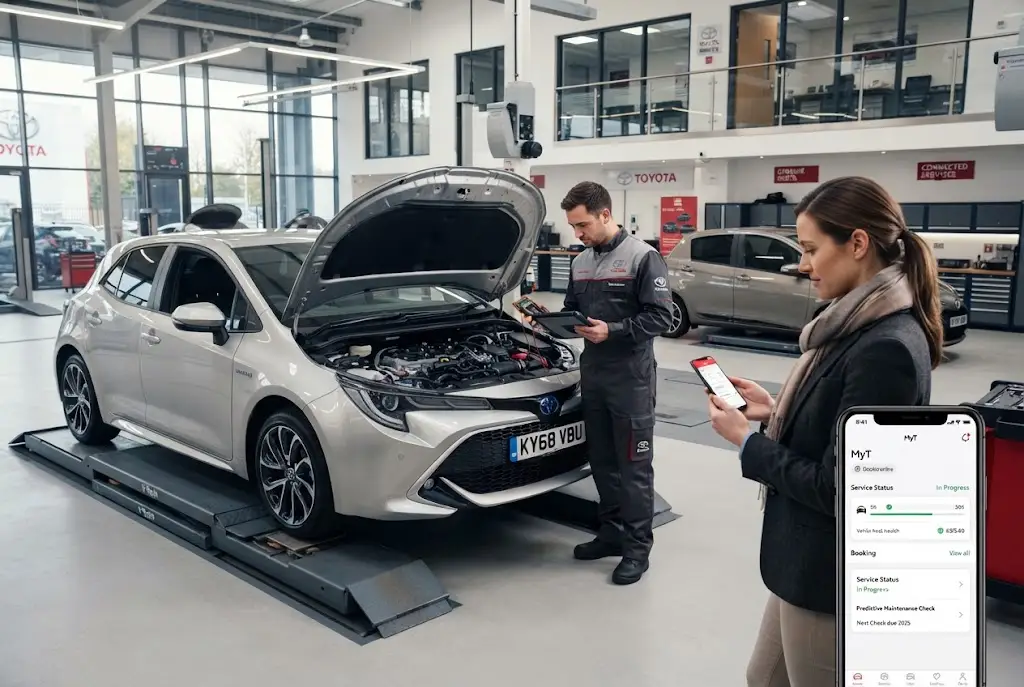
Toyota digital service booking is another part of the shift towards connected vehicle ownership. Online booking can make it easier for motorists to arrange maintenance without relying entirely on traditional phone-based appointments.
A digital booking process can help drivers provide vehicle information, select an appropriate service option and choose an available appointment according to the systems provided by the servicing network.
This can be particularly useful for busy motorists. When arranging a service takes fewer steps, drivers may be less likely to postpone routine maintenance because of administrative inconvenience.
Digital booking can also create a more consistent ownership experience by connecting vehicle information with the servicing process.
Why Toyota Service Records Still Matter
Even as vehicle servicing becomes more digital, accurate maintenance records remain important. A clear record helps establish what work has been completed and can provide useful information for future servicing.
Service records are particularly valuable when a Toyota is sold. A prospective buyer may want to understand the vehicle’s maintenance history before deciding whether to purchase it.
Owners should therefore keep relevant invoices, documentation and digital service information organised. If a vehicle has received specialist work outside routine servicing, supporting documentation can also be useful.
A complete history does not guarantee that a vehicle is mechanically perfect, but it provides valuable context when assessing its maintenance background.
Toyota Service Warranty Considerations
Toyota service warranty considerations can be important when planning maintenance. Warranty conditions can vary according to the vehicle, warranty programme and applicable terms, so owners should check the requirements that apply to their specific car.
Drivers should keep evidence of appropriate maintenance and understand any relevant conditions rather than assuming that every repair or servicing arrangement has identical warranty implications.
When in doubt, checking the manufacturer’s current warranty documentation or speaking with an authorised servicing provider is the safest approach.
How Connected Diagnostics Can Support Toyota Owners
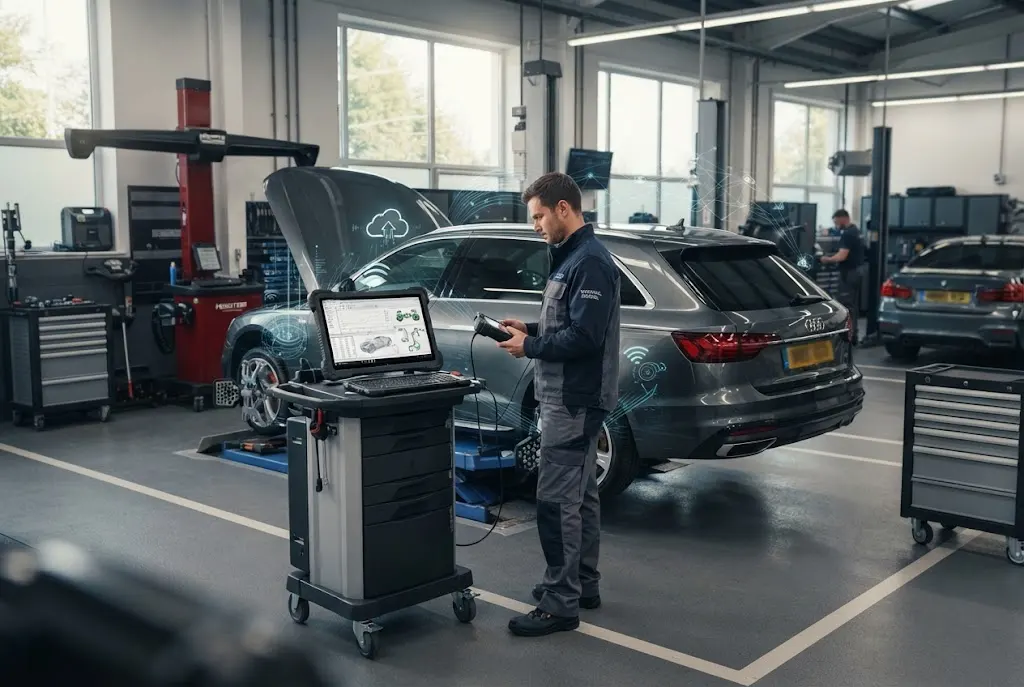
Connected vehicle technology creates opportunities for more efficient diagnostics. Modern cars contain electronic control systems that can monitor numerous functions, and diagnostic equipment can help technicians investigate issues.
Connected systems may provide additional information before or during a servicing process. This can help create a more informed starting point for an inspection.
For drivers, the potential benefit is a more structured maintenance experience. Instead of simply reporting that a warning light has appeared, relevant vehicle information may help the servicing team understand where to begin its investigation.
Even so, diagnostics should be interpreted by appropriately trained professionals. A digital alert is an indication that may require further investigation, not necessarily a complete diagnosis of the underlying problem.
Toyota Hybrid Ownership and Long-Term Maintenance
Hybrid ownership involves more than simply understanding fuel economy. Drivers should also consider how the vehicle’s servicing requirements fit into their long-term ownership plans.
Regular maintenance helps keep the vehicle operating as intended and provides opportunities for technicians to identify issues that may require attention.
Owners should follow the maintenance schedule applicable to their specific Toyota and avoid assuming that hybrid vehicles never require conventional maintenance. Hybrid technology changes the drivetrain configuration, but the vehicle still contains numerous mechanical, electrical and safety-related components that require appropriate care.
Using Digital Technology Without Ignoring Basic Car Care
Connected services and intelligent maintenance tools can make vehicle ownership more convenient, but they should not distract from basic car care.
Drivers should still check tyre condition and pressures, monitor warning lights, maintain appropriate fluid levels where applicable and report unusual noises, vibrations or changes in vehicle behaviour.
Digital technology is most useful when it supports these habits rather than replacing them.
A driver who receives a maintenance alert should take appropriate action. Similarly, the absence of a digital warning should not be interpreted as proof that a vehicle does not need attention if there are obvious physical or performance-related symptoms.
Comparing Toyota With Other Connected Servicing Ecosystems
Toyota’s approach forms part of a much broader automotive shift. Manufacturers are increasingly combining connected vehicles, digital records and online servicing with traditional workshop networks.
Drivers researching different brands may therefore want to compare their servicing ecosystems as well as vehicle specifications. Those considering a Ford can explore Ford service and connected maintenance, while premium-car buyers may also want to research BMW service and digital vehicle technology.
More broadly, manufacturer servicing is becoming an important part of modern vehicle ownership as cars become more software-driven and connected.
What UK Toyota Owners Should Check Before Booking a Service
Before arranging a service, owners should identify their exact Toyota model, engine or powertrain and model year. These details can affect maintenance requirements and the services available through digital systems.
Drivers should also review their existing maintenance records and make a note of any warning lights or symptoms that have appeared since the previous appointment.
If the vehicle has connected functionality, owners can review any relevant notifications or vehicle information before contacting the servicing provider.
Providing accurate information at the booking stage can help the workshop prepare for the appointment and may make the overall process more efficient.
The Future of Toyota Service in the UK
The future of Toyota service is likely to involve closer integration between connected vehicles, digital booking, maintenance records and intelligent data analysis.
As automotive software becomes more capable, drivers may receive increasingly personalised information about their vehicles. Predictive maintenance could also become more sophisticated as systems learn to interpret larger quantities of vehicle data.
For motorists, the objective should remain simple: make maintenance easier to understand, easier to schedule and more proactive.
Technology can support that objective, but it will not eliminate the importance of trained technicians and physical vehicle inspections. The best servicing experience will combine digital convenience with professional automotive expertise.
Final Thoughts
Toyota service is evolving alongside the wider connected-car industry. Toyota connected services, hybrid maintenance, digital booking and emerging predictive technologies are changing how motorists can manage vehicle ownership.
For UK drivers, these developments can reduce administrative effort and make important vehicle information easier to access. They may also support a more proactive approach to maintenance.
However, digital tools should always complement proper servicing rather than replace it. Following the correct maintenance schedule, keeping accurate records and responding promptly to vehicle warnings remain essential.
As Toyota and the wider automotive industry continue developing connected technologies, motorists can expect vehicle servicing to become increasingly integrated with the digital ownership experience.