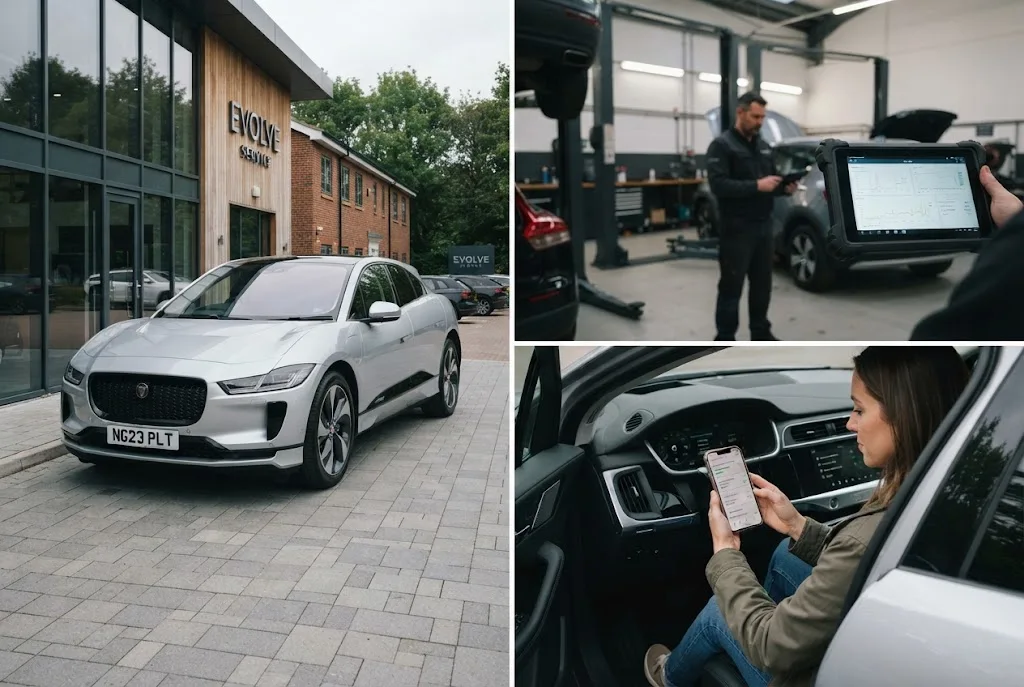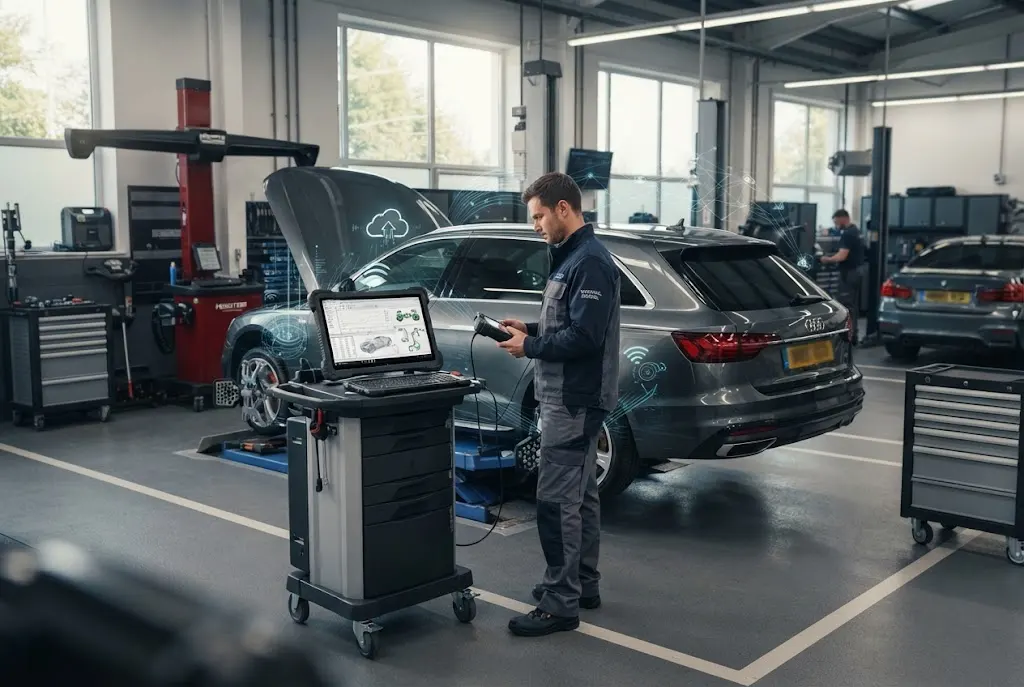
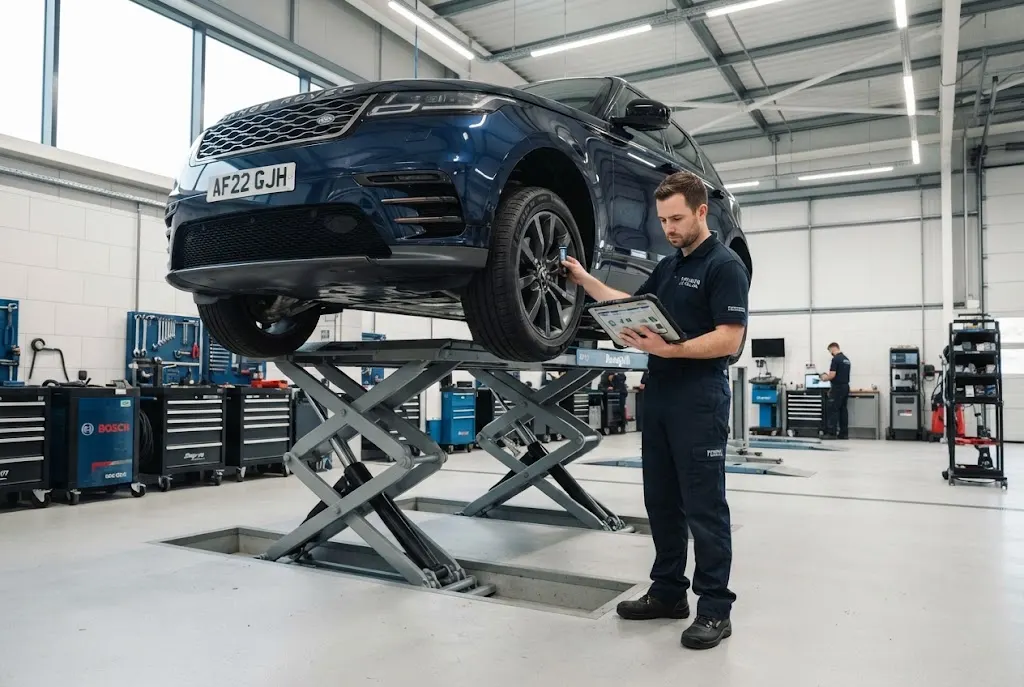
A modern vehicle inspection is becoming more connected, detailed and easier to document. Traditional inspections still rely heavily on trained technicians examining a vehicle, but digital tools are changing how those findings are recorded, analysed and shared. AI vehicle inspection systems, digital checklists, service-history platforms and emerging verification technologies are creating a more connected approach to understanding vehicle condition.
For drivers, this can mean clearer inspection reports and easier access to vehicle information. For garages, dealerships and fleet operators, digital inspection technology can improve documentation and make it easier to identify maintenance requirements. The technology does not eliminate the need for professional judgement, but it can make the inspection process more structured and data-rich.
What Is a Modern Vehicle Inspection?
A vehicle inspection is a structured assessment of a vehicle’s condition, safety and relevant components. Depending on its purpose, an inspection may cover tyres, brakes, lights, fluids, suspension, steering, bodywork and other mechanical or safety-related areas.
Modern digital systems add another layer to this traditional process. Instead of relying entirely on handwritten notes or paper forms, technicians can use mobile devices to record findings, attach photographs and create structured reports.
This can make information easier to understand and share. A customer may receive a digital report showing which areas were checked, what issues were identified and which recommendations require attention.
The exact scope of an inspection varies according to the vehicle, service provider and purpose of the check. A pre-purchase assessment, routine workshop inspection and statutory test are not necessarily the same thing.
How AI Vehicle Inspection Technology Works
AI vehicle inspection uses artificial intelligence and computer vision techniques to assist with the identification or classification of vehicle conditions. Depending on the system, photographs or other vehicle information may be analysed to identify potential issues.
For example, image-based technology can potentially assist with recognising visible damage to body panels, wheels or other components. A digital system can then organise the information into an inspection workflow for further review.
The important point is that AI should be treated as an assistance tool rather than an automatic replacement for a qualified technician. Visual analysis can support consistency and speed, but some mechanical or structural problems require physical testing and professional assessment.
When used appropriately, AI can help technicians focus their attention on areas that require closer examination while reducing repetitive documentation work.
Digital Inspection Reports Make Vehicle Information Easier to Understand
A digital inspection can make the results of a workshop assessment easier to communicate. Instead of receiving a brief verbal explanation, a customer may receive a structured report with photographs, notes and recommended actions.
This can be especially useful when several issues are identified. A digital report can separate urgent concerns from items that may need monitoring or future maintenance.
For example, a technician could record tyre condition, brake wear and visible body damage separately, adding photographs where appropriate. The customer can then review the information before deciding which work to approve.
Clear documentation also helps create continuity. If a vehicle returns to the same service provider later, previous digital inspection records may provide useful context for understanding what was previously identified.
Why Service History Matters
Service history is an important part of understanding a vehicle’s ownership and maintenance background. Inspection information becomes more valuable when it can be considered alongside previous servicing and repairs.
A vehicle’s current condition does not exist in isolation. Previous maintenance, component replacements and recurring issues can provide context for a technician or prospective buyer.
Digital records can make this information easier to organise, although the quality of the record depends on what has actually been documented. A missing digital record does not necessarily mean that maintenance never took place, just as a recorded service does not automatically prove that every aspect of a vehicle was maintained correctly.
For this reason, buyers and service professionals should evaluate service records alongside physical inspection findings and other available evidence.
Vehicle Inspection and Vehicle Authenticity
Technology is also being explored for improving vehicle authenticity and the reliability of vehicle information. This is particularly relevant in used-car transactions, where buyers may want greater confidence that the vehicle’s identity and history have not been misrepresented.
Vehicle identification information, service records, inspection reports and ownership documentation can all contribute to a more complete picture of a vehicle.
Digital verification does not automatically guarantee that every piece of information is correct. Data still needs to come from reliable sources and be entered accurately. Nevertheless, better digital records can make inconsistencies easier to identify.
Could Blockchain Verification Improve Automotive Records?
Blockchain verification is another technology discussed in connection with digital vehicle records. A blockchain can be designed to create a distributed record of transactions or data entries that are difficult to alter retrospectively.
In an automotive context, the concept could potentially be used to record selected vehicle events, such as inspections, servicing or ownership-related information. The objective would be to create greater confidence in the integrity of recorded information.
However, blockchain does not automatically make information truthful. If incorrect information is entered into a system, the underlying record may still be incorrect even if the record itself is difficult to alter.
For automotive applications, the quality of the original data remains critical. Blockchain may help with record integrity, but it cannot replace trustworthy inspection procedures or reliable data sources.
Predictive Inspection and Proactive Maintenance
Predictive inspection takes digital vehicle assessment towards a more proactive model. Instead of waiting until a component fails or a visible problem becomes severe, predictive systems aim to use available data to identify potential maintenance needs earlier.
Connected vehicle data can potentially include information about mileage, usage patterns, warning events and previous maintenance. When combined with inspection records, this information may help service providers determine when closer examination is appropriate.
Predictive systems are particularly interesting for commercial fleets. Fleet operators need to balance vehicle availability with maintenance requirements, and unexpected breakdowns can disrupt schedules.
A data-driven inspection strategy may help identify vehicles that deserve attention before a minor issue becomes a larger operational problem. Even so, predictive technology should support rather than replace scheduled inspections and manufacturer-recommended maintenance.
How Digital Vehicle Inspection Helps Workshops
Digital inspection tools can improve several parts of the workshop workflow. Technicians can record findings directly during the inspection, reducing the need to transfer handwritten notes into another system later.
Photographs can also provide useful visual evidence. When a customer receives an image alongside a recommendation, the reason for proposed work may be easier to understand.
Digital systems can also help service advisers organise inspection results. Instead of searching through paper forms, staff can access structured records and communicate relevant findings to customers.
These improvements can save administrative time, but the quality of the final result still depends on the inspection itself. A sophisticated software platform cannot compensate for an incomplete or poorly performed physical assessment.
Vehicle Inspection for Used-Car Buyers
Used-car buyers can benefit from combining digital information with an independent physical assessment. Online listings can provide useful information about a vehicle, but photographs and descriptions cannot reveal every mechanical or structural issue.
A professional inspection can provide an additional layer of confidence before a purchase. The buyer may also review available service history, vehicle identification details and other relevant documentation.
Digital records can make this process more convenient, particularly when reports are accessible remotely. However, buyers should remain cautious about relying on a single digital record as proof of a vehicle’s complete history.
The wider used-car purchasing journey is also becoming increasingly digital. Online vehicle platforms allow consumers to search listings and compare vehicles before arranging inspections, finance and other services.
Connecting Vehicle Inspection With Car Finance
Inspection information can also play a useful role in the broader vehicle purchasing process. A buyer considering car finance may want to understand the condition and potential maintenance requirements of a vehicle before committing to its ownership costs.
This does not mean an inspection determines whether a finance application will be accepted. Rather, it provides information that can help a buyer make a more informed decision about the vehicle itself.
For dealerships and automotive platforms, integrating inspection information with digital vehicle listings could also improve transparency. Buyers could potentially see inspection results alongside specifications, photographs and service information.
The Role of Inspection Data in Smart Automotive Services
Vehicle inspection data is becoming one component of a wider connected automotive ecosystem. Tyre monitoring, service records, repair estimates and payment options can all potentially interact with a vehicle’s digital profile.
For example, information from smart tyre technology may help technicians understand tyre-related concerns during a broader vehicle inspection. Similarly, a digital inspection report can provide useful information before a customer considers repair finance for recommended work.
The advantage of this connected approach is continuity. Instead of treating every service visit as a separate event, automotive businesses can build a clearer record of the vehicle’s maintenance journey.
Limitations of AI and Digital Inspection Technology
Despite the potential benefits, digital inspection technology has important limitations. AI systems depend on the quality of their training, data and inputs. A photograph may not reveal an internal mechanical problem, while a sensor reading may require professional interpretation.
There is also the issue of false positives and false negatives. An automated system may flag something that requires no repair, or it may fail to identify an issue outside its capabilities.
For these reasons, professional oversight remains essential. Technology can help organise evidence and identify potential issues, but safety-critical decisions should be based on appropriate inspection methods and qualified expertise.
What the Future of Vehicle Inspection Could Look Like
The future of vehicle inspection is likely to combine physical assessments with increasingly sophisticated digital tools. AI may assist with image analysis, connected systems may provide additional vehicle information, and digital records may make inspection history easier to access.
Predictive technologies could also help service providers move towards earlier intervention. Instead of responding only after a fault becomes obvious, workshops may increasingly use available data to identify vehicles that require closer attention.
At the same time, verification technology could improve confidence in selected vehicle records. The challenge will be ensuring that digital systems remain transparent, accurate and useful rather than simply adding complexity.
Final Thoughts on Digital Vehicle Inspection
A modern vehicle inspection is becoming more than a technician’s checklist. Digital inspection platforms, AI-assisted analysis, service-history systems and emerging verification technologies are changing how vehicle condition can be documented and communicated.
The strongest approach combines technology with professional expertise. AI can help process information, digital reports can improve communication and connected records can provide valuable historical context, but physical inspection remains essential for many aspects of vehicle safety and condition.
As automotive services become more connected, inspection data is likely to play a central role in everything from routine maintenance to used-car purchasing. Drivers and businesses that understand both the benefits and limitations of these technologies will be better positioned to use them effectively.