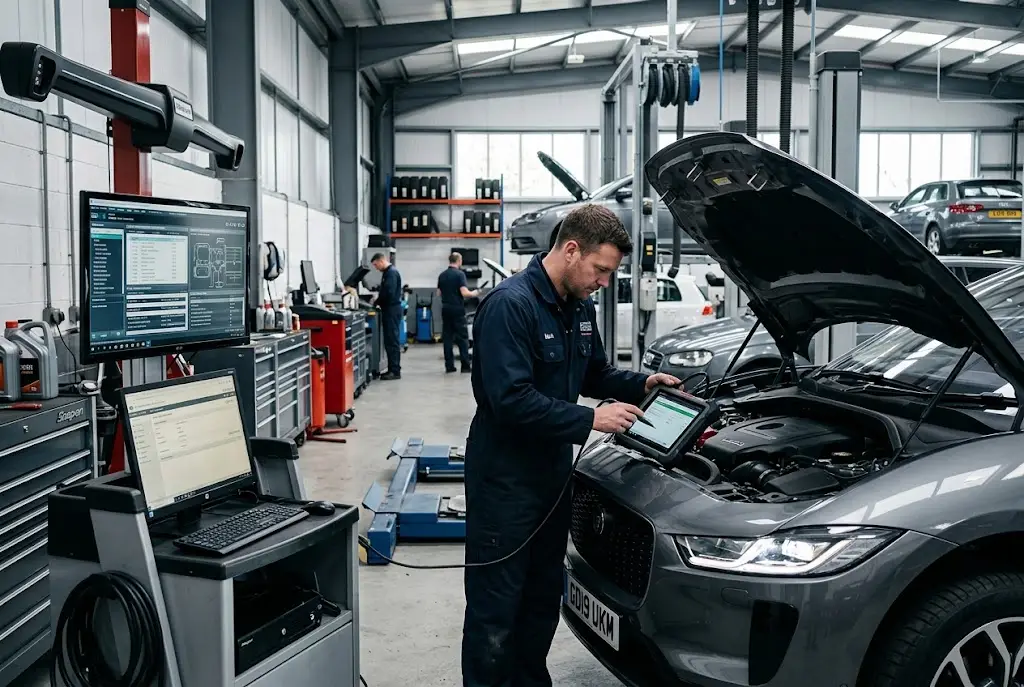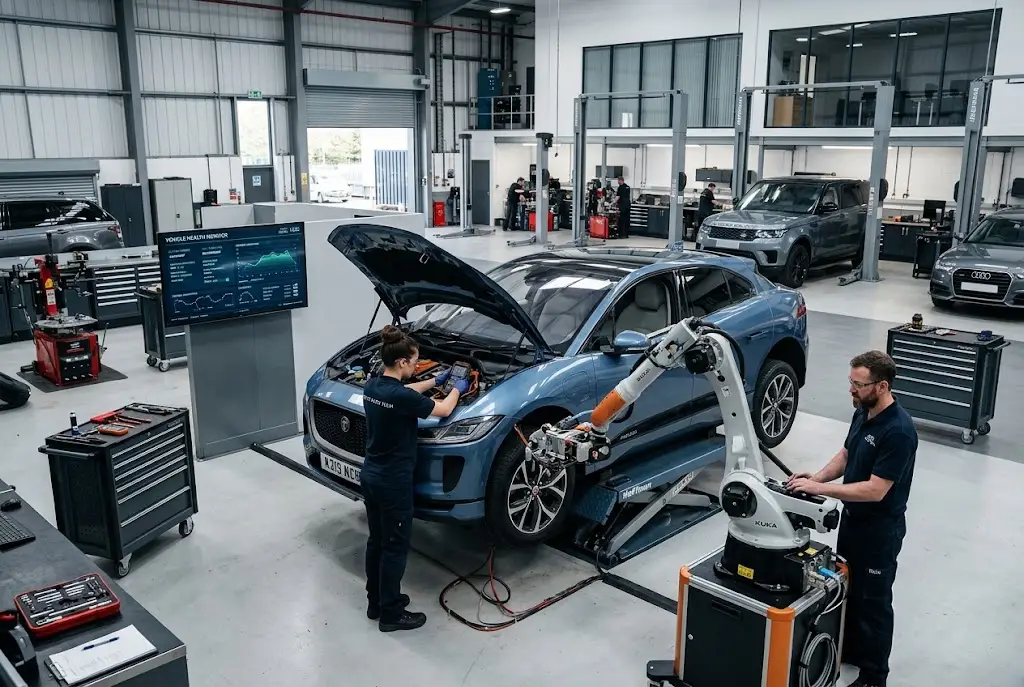
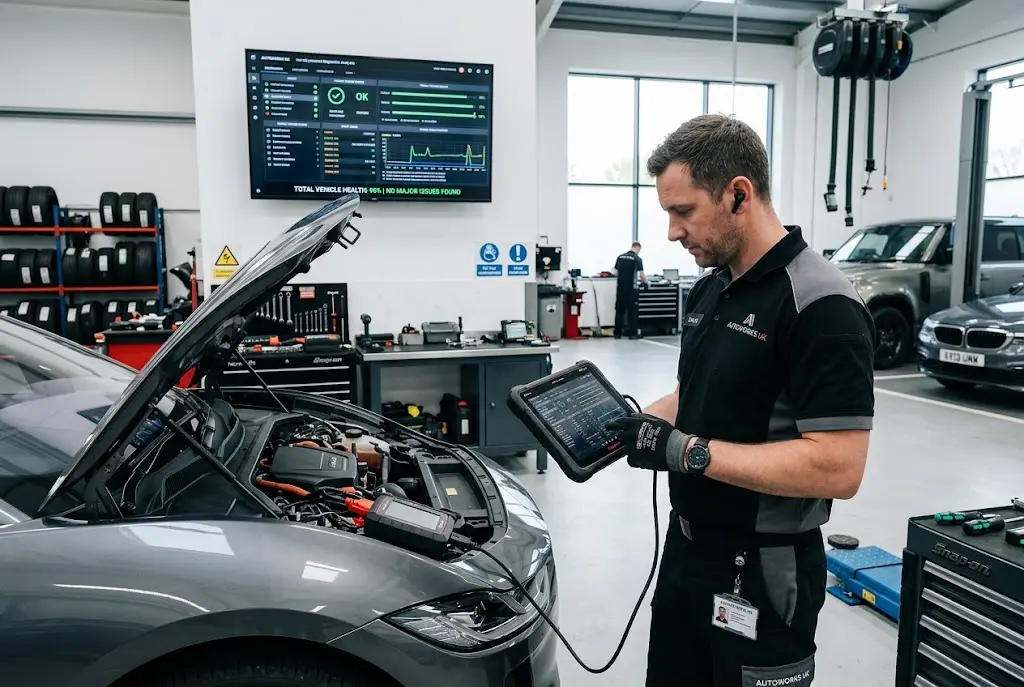
Modern auto inspection services are becoming more sophisticated as artificial intelligence, connected vehicle technology and digital diagnostic equipment reshape how vehicles are assessed. Instead of relying solely on visual checks and traditional diagnostic methods, automotive professionals can increasingly use digital systems to analyse vehicle information and identify areas that may require further investigation.
AI does not remove the need for qualified technicians or physical vehicle inspections. Rather, it provides additional tools that can help professionals process information, recognise patterns and create clearer inspection records. For drivers, this can mean a more informed understanding of vehicle condition and potentially earlier awareness of maintenance concerns.
What Are AI-Powered Auto Inspection Services?
AI-powered auto inspection services combine conventional vehicle inspection with digital technology capable of analysing automotive data. Depending on the system, this may include diagnostic information, sensor readings, service records, inspection results and other available vehicle information.
Traditional vehicle inspections remain important because many problems require direct physical examination. However, digital tools can provide an additional layer of information before, during or after an inspection.
This development is closely connected with the wider AI-powered auto services landscape, where artificial intelligence is increasingly being used to support diagnostics, maintenance and workshop operations.
How AI Diagnostics Are Changing Vehicle Inspections
Artificial intelligence can analyse large amounts of information more quickly than a person manually reviewing every individual data point. In automotive diagnostics, this capability can help identify patterns that deserve closer attention.
For example, several apparently minor readings may become more meaningful when considered together. An AI-supported diagnostic platform may help highlight those relationships for a technician to investigate.
However, an AI-generated result should not automatically be treated as a confirmed diagnosis. The technician still needs to use appropriate testing procedures and professional judgement to establish the actual condition of the vehicle.
Identifying Unusual Patterns
Modern vehicles contain numerous electronic systems and sensors. Changes in available sensor or diagnostic data may provide useful clues about potential problems.
AI can assist by comparing current information with relevant historical data or recognising patterns within a larger dataset. This may help direct a technician towards specific areas that require additional testing.
Supporting Faster Diagnostic Work
When a vehicle has a complex electronic fault, technicians may need to consider multiple possible causes. Intelligent diagnostic software can help organise available information and narrow down potential areas for investigation.
The result is not necessarily a faster repair in every case, but it can give technicians a more structured starting point.
Digital Vehicle Inspections
Digital inspections are becoming an increasingly useful part of modern automotive servicing. Instead of recording every finding on paper, technicians can use digital platforms to document inspection results, photographs, measurements and recommendations.
For customers, this can make inspection findings easier to understand. A digital report may provide a clearer record of what was checked and which areas require attention.
Digital inspection records can also become part of a vehicle’s broader maintenance history, helping create a more complete picture of its condition over time.
Predictive Diagnostics and Vehicle Health Monitoring
One of the most interesting developments in automotive technology is predictive diagnostics. Rather than waiting for a component to fail completely, predictive systems aim to identify patterns that could indicate an emerging issue.
This approach is closely related to AI-powered car servicing. If relevant vehicle information can be collected and analysed over time, it may become possible to identify maintenance concerns before they become obvious to the driver.
Vehicle health monitoring can therefore become a continuous process rather than something that only occurs when a vehicle enters a garage.
How Vehicle Health Monitoring Works
Vehicle health monitoring relies on information from the vehicle and the systems used to interpret it. Depending on the vehicle and technology involved, information may come from onboard sensors, electronic control systems, diagnostic equipment or connected platforms.
That information can then be reviewed to identify unusual readings, changes in performance or other indicators that may warrant investigation.
For example, if a vehicle repeatedly produces information associated with a particular system, a digital platform could flag it for further assessment. A technician can then carry out appropriate tests rather than relying only on the driver’s description of the problem.
Benefits of Intelligent Inspections
The use of AI and digital technology can provide several potential benefits when combined with professional automotive expertise.
- Better information management: Digital systems can organise large amounts of diagnostic and inspection information.
- Earlier issue awareness: Predictive tools may highlight unusual patterns before a noticeable failure occurs.
- Clearer inspection records: Digital reports can make findings easier to document and communicate.
- More focused diagnostics: AI-supported analysis can help technicians identify areas that deserve further testing.
- Improved maintenance planning: Inspection data can contribute to a more complete understanding of vehicle condition.
- Better customer communication: Digital evidence can help explain why particular maintenance or repairs have been recommended.
AI Inspection Does Not Replace the Technician
It is important to understand the limitations of automated diagnostics. A software system may identify a potential problem, but it cannot always determine the exact physical cause.
For example, a single diagnostic code can sometimes be associated with several possible underlying issues. A qualified technician needs to test the relevant components and interpret the results within the context of the individual vehicle.
Physical inspection is also essential for many components. Wear, damage, leaks, corrosion and other mechanical conditions may require direct examination.
Therefore, the most effective approach combines AI-supported diagnostics with experienced technicians. Technology provides information and pattern recognition, while human expertise validates the findings and determines the appropriate course of action.
Auto Inspection Services and Service History
A vehicle’s previous maintenance history can provide valuable context during an inspection. Digital records make it easier to see when particular work was completed, what problems have previously been reported and whether recurring issues may exist.
When diagnostic information is considered alongside service history, technicians can potentially develop a more complete understanding of a vehicle.
This also supports the wider goal of intelligent vehicle maintenance, where information from different stages of vehicle ownership contributes to better maintenance planning.
AI Inspections for Modern Connected Vehicles
Connected vehicles create new opportunities for digital inspection and diagnostics. Where appropriate connectivity is available, vehicle information can potentially be shared with authorised systems for analysis or servicing purposes.
This can change the traditional relationship between vehicle and workshop. Instead of the garage receiving information only when a customer arrives, connected systems may provide useful data before an appointment.
A technician could potentially review relevant information in advance and prepare for the inspection accordingly. This may improve workshop efficiency while giving the customer a more informed service experience.
Digital Inspection Reports for Drivers
One practical advantage of digital inspection technology is improved communication. Drivers often know that their vehicle has been inspected but may not fully understand why a garage has recommended particular work.
Digital reports can help bridge that gap by presenting findings in a structured format. Depending on the provider, a report might include inspection notes, photographs, diagnostic information or recommendations.
Clear communication matters because vehicle maintenance decisions often involve safety, cost and timing. Customers should have enough understandable information to discuss recommended work with their automotive professional.
AI and MOT-Related Vehicle Preparation
AI-supported diagnostics can potentially help drivers understand vehicle condition before an inspection or MOT test, but it should not be confused with the official test itself.
A vehicle can receive a digital health assessment while still requiring the legally required testing process. Drivers should therefore continue to meet their MOT obligations and address relevant vehicle defects through appropriate professional channels.
Using technology as a preparation and maintenance tool can be helpful, but it should not be presented as a replacement for regulated vehicle testing.
Challenges of Automated Diagnostics
AI diagnostics also have limitations. The quality of any analysis depends on the quality and relevance of the data available to the system. Incomplete information can produce incomplete conclusions.
There is also a risk of placing too much confidence in automated recommendations. A system can identify a pattern without fully understanding the physical circumstances behind it.
For this reason, reputable automotive businesses should use AI as part of a broader diagnostic process rather than treating software output as unquestionable.
The Future of Auto Inspection Services
The next stage of automotive diagnostics is likely to combine connected vehicles, increasingly capable software, digital inspection platforms and professional workshop expertise.
Inspections could become more continuous, with vehicle information helping identify potential concerns between scheduled appointments. When a vehicle eventually enters a workshop, technicians may have access to a richer history of relevant information.
This could create a more proactive maintenance cycle: monitor vehicle condition, identify unusual patterns, inspect the relevant systems, confirm the issue and schedule appropriate maintenance or repair.
What Drivers Should Look for in Modern Inspection Services
Drivers considering modern auto inspection services should look for providers that combine technology with qualified automotive expertise. Digital tools can be useful, but the quality of the inspection ultimately depends on the people, equipment and processes behind them.
It can be helpful to ask whether the provider uses modern diagnostic equipment, offers digital inspection reports and maintains clear service records. Customers should also receive understandable explanations of any recommended repairs rather than relying solely on technical codes or automated predictions.
A professional approach should always prioritise vehicle safety and accurate diagnosis over simply producing a digital report.
Why AI Diagnostics Matter for the Future of Vehicle Care
AI is gradually moving vehicle diagnostics from a reactive model towards a more information-driven approach. Instead of waiting for a serious symptom to appear, drivers and technicians can increasingly use digital information to understand vehicle condition earlier.
That does not make traditional inspection methods obsolete. Instead, it strengthens them by adding tools that can analyse information, identify patterns and improve communication.
As connected vehicles and intelligent automotive systems continue to develop, auto inspection services are likely to become more digital, predictive and integrated with everyday vehicle maintenance. The most valuable systems will be those that combine advanced technology with the judgement, experience and practical skills of qualified automotive professionals.