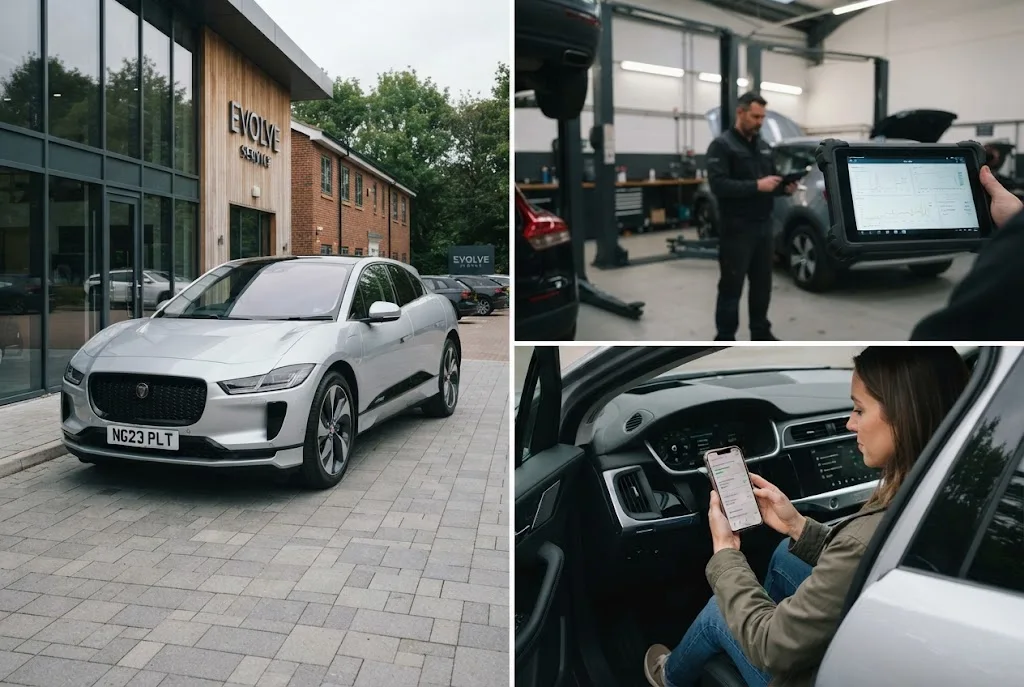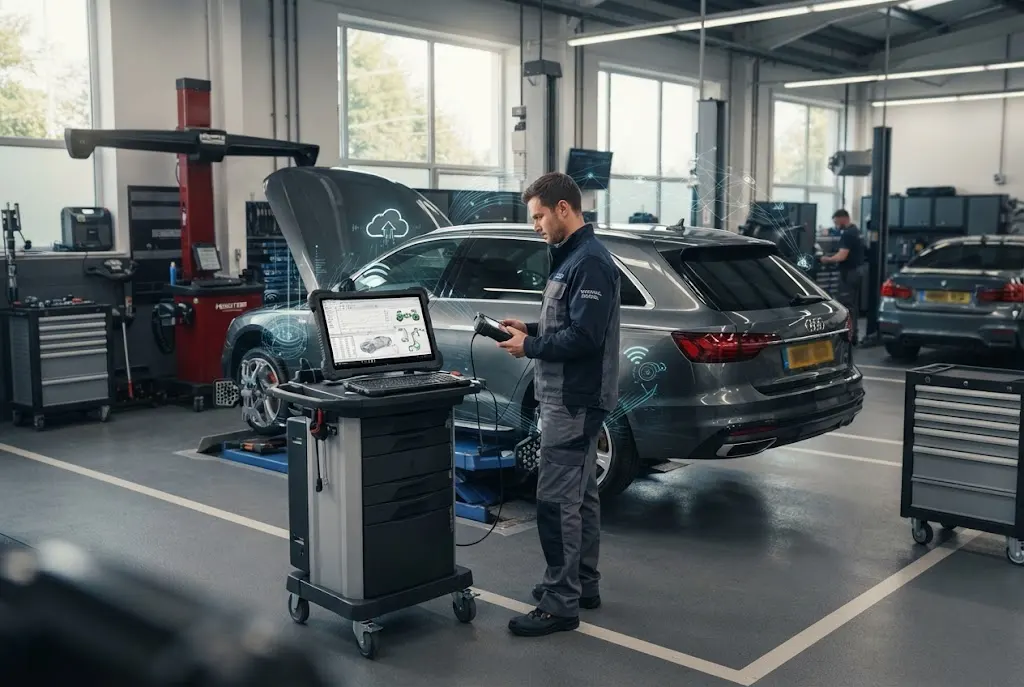
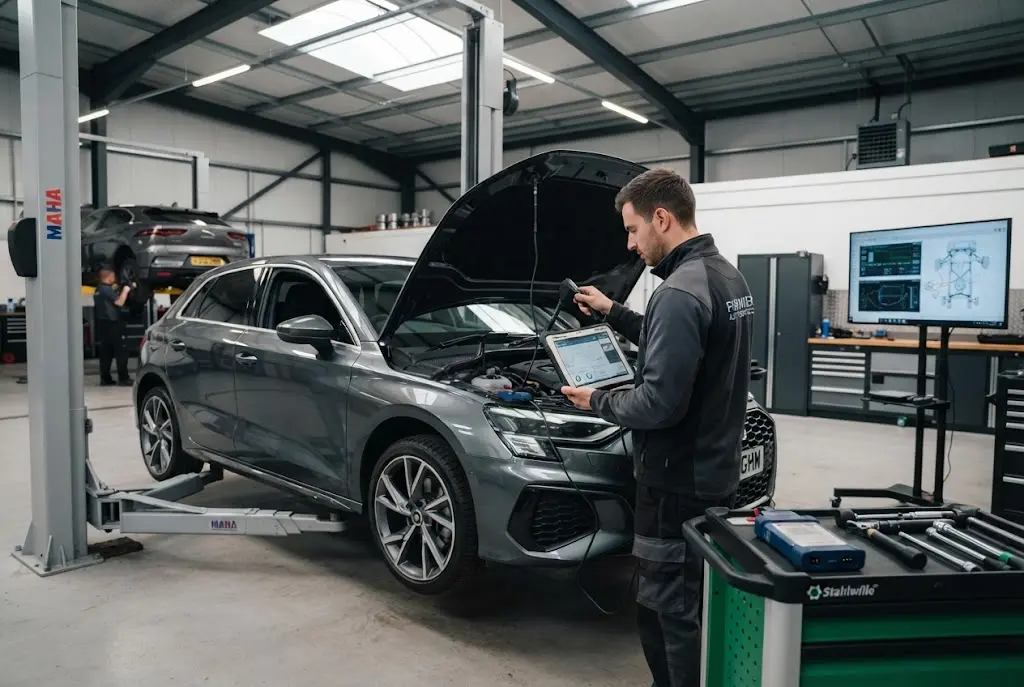
Modern auto inspection services are becoming more data-driven as vehicles gain increasingly sophisticated electronic systems. Instead of relying only on a technician’s visual assessment and traditional diagnostic equipment, workshops can now combine digital inspections, vehicle data, AI diagnostics and predictive analysis to build a clearer picture of a vehicle’s condition.
This shift does not mean that experienced technicians are becoming unnecessary. Rather, intelligent diagnostic technology can give technicians more information before and during an inspection, helping them identify potential problems, prioritise issues and explain findings more clearly to vehicle owners.
As connected vehicles and machine learning technologies continue to develop, inspections are moving towards a model where vehicle health can be assessed using a combination of physical checks, electronic data and historical information.
How AI Is Transforming Auto Inspection Services
Traditional vehicle inspections generally involve a combination of visual checks, measurements, diagnostic scans and technician experience. These methods remain important, but modern vehicles can produce large amounts of electronic information that is difficult to assess manually in isolation.
AI diagnostics can help process this information by identifying patterns, anomalies and relationships between different vehicle signals. For example, diagnostic trouble codes, sensor readings, operating conditions and previous service information can potentially be considered together rather than viewed as completely separate pieces of information.
Modern predictive diagnostics can go further by looking for signs that a component may be developing a problem before a complete failure occurs. Bosch describes predictive diagnostics as a system that continuously monitors vehicle conditions and uses vehicle and cloud data to identify potential faults before they cause unexpected breakdowns. Learn more about predictive diagnostics.
What Are AI Diagnostics in Vehicle Inspections?
AI diagnostics refers to the use of artificial intelligence and data-analysis techniques to support the identification and interpretation of vehicle problems. Depending on the system, the technology may analyse information from electronic control units, diagnostic trouble codes, sensors, vehicle operating data and service records.
The objective is not simply to produce more data. The useful part is turning complex information into insights that a technician or vehicle owner can understand and act upon.
For example, an inspection system may identify an unusual pattern in vehicle data and flag it for further investigation. A technician can then carry out physical tests and conventional diagnostic procedures to confirm the underlying problem.
This creates an important distinction: AI can support the inspection process, but its output should not automatically be treated as a final mechanical diagnosis. Physical inspection, professional judgement and manufacturer-specific procedures can still be essential.
The Role of Digital Inspections
Digital inspections are another important development in modern automotive servicing. Instead of recording inspection findings entirely on paper, technicians can use digital platforms to document observations, photographs, measurements and recommended work.
For vehicle owners, this can make inspection results easier to understand. A digital report may provide a structured record of what was inspected, which items require attention and which issues can be monitored over time.
Digital documentation can also create a useful history for future servicing. When previous inspection results are available, a workshop may have more context when assessing whether a condition is new, recurring or changing gradually.
For garages, digital inspections can also improve workflow consistency. Standardised inspection processes can help technicians follow defined checklists while giving service advisers clearer information when communicating with customers.
How Predictive Diagnostics Can Identify Problems Earlier
One of the most interesting applications of intelligent vehicle technology is predictive diagnostics. Traditional maintenance often follows a fixed service schedule or responds after a noticeable problem appears. Predictive systems aim to identify warning signs earlier by analysing vehicle condition and operating data.
Bosch’s cloud and predictive diagnostics solutions, for example, describe the use of vehicle data, anomaly detection and predictive algorithms to identify potential issues and support maintenance planning.
This approach can be particularly useful for vehicles that accumulate significant mileage or operate under demanding conditions. Instead of treating every vehicle as if it experiences exactly the same wear pattern, data-driven systems can potentially provide a more condition-based view of maintenance requirements.
However, predictive diagnostics should be viewed as an early-warning capability rather than a guarantee that every future failure can be predicted. Vehicle age, driving conditions, component quality, environmental factors and incomplete data can all affect the reliability of predictions.
Machine Learning Diagnostics and Vehicle Data
Machine learning diagnostics can identify patterns by analysing large quantities of historical and real-time information. In automotive applications, this can include diagnostic codes, sensor behaviour, component data and service records.
The value of machine learning becomes clearer when individual signals are considered together. A single warning code might have several possible causes. Additional vehicle data can help narrow down where technicians should investigate first.
Modern automotive diagnostic systems already provide communication between diagnostic applications and electronic control units. Bosch, for example, describes vehicle communication interfaces that allow diagnostic applications to communicate with vehicle ECUs and support modern vehicle architectures.
AI and machine learning can build on this growing digital foundation by helping organise and interpret the information produced by increasingly software-defined vehicles.
Vehicle Health Monitoring Beyond the Workshop
Vehicle health monitoring is also expanding beyond the moment when a car arrives at a garage. Connected vehicles can transmit selected information that allows vehicle condition to be monitored remotely, depending on the vehicle architecture, available connectivity and authorised services.
Remote diagnostics can support initial fault analysis and maintenance planning. Bosch notes that remote diagnostic functions can be used to access diagnostic trouble codes and support predictive maintenance and maintenance planning.
For fleets, this can be especially significant. A business operating multiple vehicles may benefit from knowing which vehicles require attention before they experience an unexpected operational problem.
For individual motorists, connected health monitoring could eventually make maintenance notifications more condition-aware rather than relying exclusively on mileage or time intervals.
What AI Cannot Replace During an Inspection
Despite the progress of AI diagnostics, technology does not eliminate the need for skilled automotive professionals. A diagnostic system can identify patterns or recommend areas for investigation, but technicians still need to verify findings.
A proper inspection can involve physical components that cannot be fully assessed through electronic data alone. Tyres, suspension components, brake components, bodywork, fluid leaks and many other areas may require direct examination.
There is also a difference between detecting an abnormal signal and identifying its precise mechanical cause. A warning may indicate that further testing is necessary rather than prove that a particular component has failed.
The strongest approach is therefore a combination of technology and expertise: digital systems can provide additional information while qualified technicians use testing, experience and manufacturer procedures to establish what actually needs to be done.
Benefits for Vehicle Owners
When implemented properly, intelligent inspection technology can improve several parts of the vehicle servicing experience.
- Earlier warnings: Potential problems may be identified before they become more serious.
- Better documentation: Digital inspection reports can provide a clearer record of vehicle condition.
- Improved communication: Photos, diagnostic information and structured findings can make recommendations easier to understand.
- More informed maintenance: Condition-based information can help prioritise urgent work versus items that can be monitored.
- More efficient workshop processes: Technicians can have relevant diagnostic information available earlier in the repair workflow.
These benefits are particularly valuable when vehicle owners want greater transparency about why a repair or maintenance recommendation has been made.
What the Future Holds for AI Vehicle Inspections
The future of auto inspection services is likely to involve a closer connection between physical inspections, connected vehicle data, cloud platforms and intelligent analytics.
Rather than treating an inspection as a single event, automotive businesses can increasingly view vehicle condition as an ongoing stream of information. A vehicle may generate diagnostic data during everyday use, receive a digital inspection at a workshop and build a longer-term service history that can inform future maintenance.
This direction is already visible in connected and predictive diagnostic technologies. Bosch describes data-driven systems that combine vehicle information, cloud analysis, artificial intelligence and domain expertise to support vehicle health monitoring and predictive maintenance.
As these technologies mature, the most useful inspection systems will not necessarily be those that simply produce the largest amount of information. The real value will come from turning relevant information into understandable, timely and actionable recommendations.
Why Human Expertise Still Matters
AI can make vehicle inspections more data-rich, but the quality of the final result still depends on how the technology is used. Workshops need reliable equipment, appropriate software, trained technicians and clear processes for validating automated findings.
For vehicle owners, this means that an intelligent inspection should complement professional expertise rather than replace it. A strong inspection combines digital evidence with physical checks and clear communication.
As automotive technology continues to evolve, this combination will become increasingly important. Vehicles are becoming connected computers on wheels, but they remain physical machines that require skilled maintenance.
Conclusion
AI is changing auto inspection services by making it possible to combine traditional vehicle checks with digital inspections, machine learning diagnostics, predictive analysis and connected vehicle data. These technologies can help workshops identify anomalies earlier, organise complex diagnostic information and provide clearer records for customers.
The biggest opportunity is not to replace traditional inspections, but to make them smarter. When AI diagnostics, vehicle health monitoring and experienced technicians work together, vehicle inspections can become more proactive, transparent and data-driven.
For drivers and automotive businesses alike, the future of vehicle diagnostics is moving from simply asking what went wrong to understanding what is happening, what may happen next and what action should be considered.