
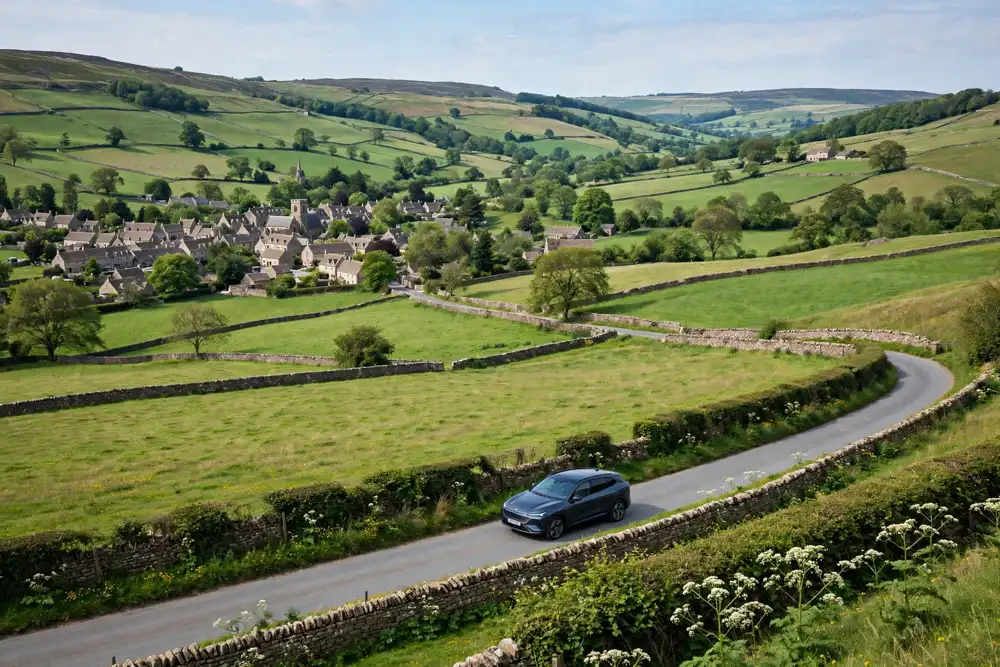
There is a particular pleasure in pointing the car at the horizon and knowing the next few days are yours. Britain is made for it: coast roads in Cornwall, passes in the Lake District, castle country in Northumberland and whisky trails in Scotland, all within a day’s drive of each other. Learning how to plan a UK road trip properly is what separates a memorable break from an exhausting slog — the difference lies in the route, the budget and a little preparation before you turn the key.
This guide covers each stage, from choosing where to go to packing for weather that refuses to be predicted.
Choose a route you can actually enjoy
The most common road trip mistake is measuring the holiday in miles. Four hours of driving a day is plenty; five or six turns the trip into a commute with scenery. Pick one region and explore it deeply rather than skimming three. A loop route avoids retracing motorway miles, and building the plan around two or three overnight bases means fewer pack-and-unpack mornings.
Mix the famous stops with smaller ones. The viewpoint everyone photographs is worth seeing early in the day; the village bakery, the harbour town and the forest car park with no queue are what you will talk about afterwards. Leave gaps in the itinerary deliberately — a road trip planned to the minute has no room for the detour that becomes the highlight.
How to plan a UK road trip budget that holds up
Fuel, accommodation and food decide the cost, in that order. Estimate fuel honestly by rounding your expected mileage up, not down, and remember that scenic routes burn more than motorway cruising. Accommodation is cheapest when booked with flexible cancellation, which also lets you change plans if the weather turns. Self-catering for breakfast and one main meal a day keeps restaurant spending enjoyable rather than alarming.
Add a contingency line — around a tenth of the total — for the things no plan survives: a paid car park where you expected a free one, a ferry you had not counted, or the farm shop that absolutely required a stop. When you work out how to plan a UK road trip around a realistic budget, the trip stops generating small financial surprises and starts feeling like a holiday.
Prepare the car before you leave
A breakdown three hundred miles from home costs more than money. In the week before departure, check tyre pressures and tread (including the spare or the repair kit), top up oil, coolant and screenwash, and test the lights. Modern driver-assistance features genuinely earn their keep on long unfamiliar drives — our explainer on advanced driver assistance systems covers what the main systems do and where their limits are.
If your car is on a maintenance agreement, check what it covers away from home; many car service plans include breakdown elements or scheduled checks that can be timed for just before a big trip. Pack a phone charger that works from the car, a paper map for the areas where signal disappears, water, and a torch. Unsexy items, every one of them — and every one of them trip-saving when needed.
Pack for British weather, not the forecast
The forecast for a four-day trip spanning two coasts is a polite fiction. Pack layers that combine, waterproofs that live in the boot rather than the suitcase, and shoes you can walk five muddy miles in. Keep one small bag with everything needed for the first night on top, so a late arrival does not mean emptying the car in the rain.
Think about the house you are leaving, too. Timers on lights and a neighbour with a key are the low-tech basics; if you have gone further, our guide to smart home devices for beginners shows how cameras, plugs and sensors can keep an eye on things while you are away.
Stay safe and rested on long driving days
Fatigue is the quiet risk of road trips. Share the driving if you can; if you cannot, plan a proper stop every two hours and treat it as part of the itinerary — a viewpoint, a town, a walk — rather than a failure of endurance. The most dangerous hour is the last one of the day, when the destination feels close and concentration dips. Arriving by late afternoon is not just safer; it gives you the evening in each new place, which is rather the point.
Download offline maps for rural areas before setting off, keep the tank above a quarter full in remote regions where petrol stations are scarce, and tell someone roughly where you expect to be each night.
Choose where to stay each night
Accommodation shapes a road trip more than any single attraction. Staying in small towns rather than on ring roads means dinner is a walk away and the morning starts with a bakery, not a bypass. A mix works well across a trip: a proper hotel for the first night when you arrive tired, self-catering or a good inn for the middle nights, and somewhere with a little character for the last night, when the trip deserves a send-off.
Book with parking in mind — in historic towns and coastal villages, a room without parking can mean a long walk with bags or an expensive public car park. Check check-in times against your driving plan, too; arriving at nine in the evening to a family-run guesthouse that locks up at eight is a classic avoidable stress. Where a stay offers an honesty bar, a residents’ lounge or a garden, those small shared spaces are often where local tips come from — the landlord’s recommendation for tomorrow’s route is worth more than a page of online reviews.
Leave room for the unplanned
Every great road trip story starts with an unscheduled stop: the steam railway crossing the road, the beach that was not in the guidebook, the pub lunch that became the afternoon. Planning well is not about eliminating surprises — it is about handling the practicalities so thoroughly that the surprises can all be good ones. Choose a humane route, budget honestly, prepare the car, pack for real weather, and then go and enjoy the drive.
