Unexpected vehicle repairs can be difficult to budget for, particularly when a fault appears at an inconvenient time. Repair finance gives drivers another way to manage eligible repair costs by spreading payments instead of paying the entire bill immediately. As automotive servicing becomes increasingly digital, repair finance is also evolving through online applications, digital payment systems, recurring payments and more flexible service finance options.
For garages and automotive service businesses, these developments can make the payment experience more convenient while helping customers understand their options. However, finance should always be considered carefully. The right approach combines transparent pricing, clear repayment terms and responsible affordability decisions with a reliable repair service.
What Is Repair Finance?
Repair finance refers to financial arrangements that allow a customer to spread the cost of an eligible vehicle repair or maintenance service over an agreed period rather than paying the full amount upfront.
This can be particularly relevant when a vehicle develops an unexpected problem. A replacement component, diagnostic work or major mechanical repair may cost significantly more than a routine service. Having a payment option available can give a customer more flexibility when deciding how to manage the expense.
The exact structure depends on the provider and agreement. Some arrangements may involve fixed instalments, while others can have different terms, fees or interest charges. Customers should therefore check the total amount payable, repayment schedule and applicable conditions before agreeing to any finance product.
Why Repair Payment Plans Are Becoming More Relevant
Vehicle ownership involves more than the purchase price. Drivers also need to budget for servicing, tyres, inspections, repairs, parts and other running costs.
Routine maintenance can often be planned in advance, but mechanical faults are less predictable. A vehicle that passes a routine check one month may require significant work later because of component wear or an unexpected failure.
Repair payment plans can provide a way to separate the timing of the repair from the timing of the full payment. That can be useful when completing the repair immediately is important but paying the entire cost at once would put pressure on a household budget.
However, spreading a payment does not make the repair cheaper. Customers should look at the overall cost and ensure the repayment fits comfortably within their finances.
How Digital Payment Systems Are Changing Automotive Services
Traditional automotive payment processes often involve a customer receiving an estimate, approving the work and paying when the repair is complete. Digital systems can make several parts of this process more convenient.
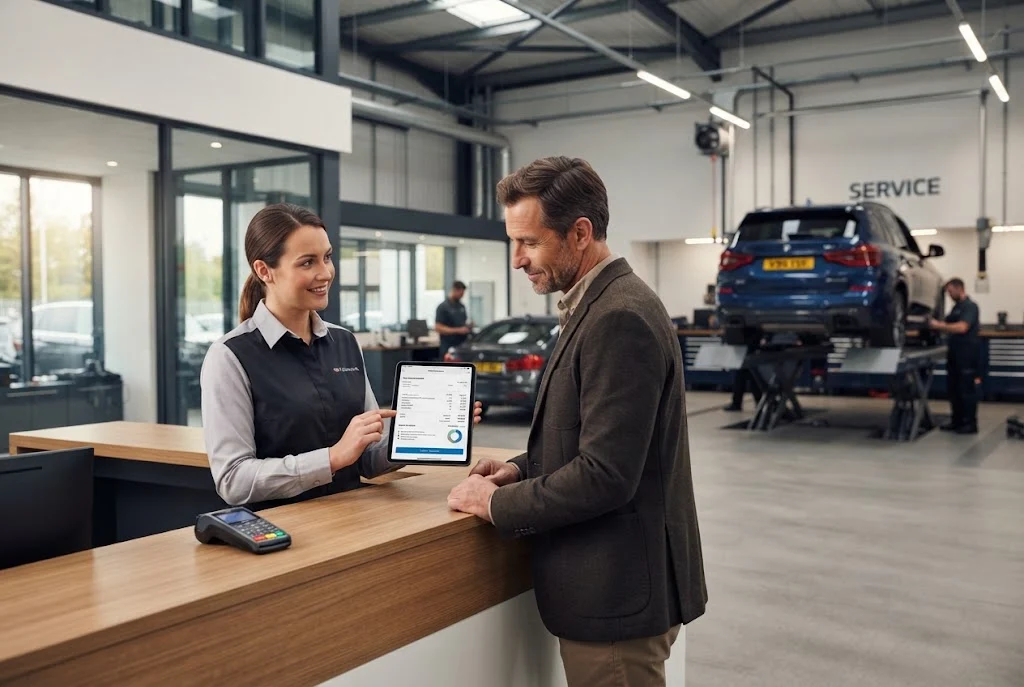
Modern garages may use digital estimates, online booking platforms, electronic invoices and card or online payment options. When finance functionality is integrated into the same customer journey, motorists may be able to review available payment options without navigating a completely separate process.
This can reduce friction for both customers and service businesses. A technician can concentrate on diagnosing and completing the repair, while the digital platform handles relevant payment information.
Digital payment systems can also make records easier to organise. Customers may receive electronic invoices and payment confirmations, while businesses can maintain a clearer history of transactions and completed services.
Repair Finance and Maintenance Subscriptions
Not every automotive payment solution needs to be based on financing an unexpected repair. Maintenance subscriptions represent another approach to managing vehicle servicing costs.
A subscription model can allow customers to make recurring payments in exchange for a defined package of maintenance services. Depending on the provider, the package might include selected servicing activities or other benefits.
The key difference is predictability. A repair finance arrangement generally responds to a particular cost, whereas a maintenance subscription is designed around ongoing vehicle care.
For motorists who prefer predictable monthly budgeting, a subscription may be easier to plan for than irregular maintenance expenses. However, customers should compare what is included with their actual vehicle requirements. A subscription is not automatically better value simply because the payment is spread across the year.
How AI Pricing Could Influence Vehicle Repair Costs
AI pricing is an emerging concept within digital automotive services. In principle, data-driven systems can help service businesses organise information about parts, labour, vehicle specifications and previous work when preparing an estimate.
For example, a digital platform could assist with identifying the components associated with a particular repair and presenting relevant cost information to a customer. The objective should be greater transparency and efficiency rather than replacing professional judgement.
Repair estimates still require appropriate technical assessment. A software system cannot physically inspect every vehicle component, and an initial digital estimate may change when a technician discovers additional damage or wear.
The best use of AI in automotive pricing is therefore supportive. Technology can help organise and communicate information, while qualified professionals remain responsible for the technical diagnosis and final repair recommendation.
Recurring Payments for Automotive Maintenance
Recurring payments are particularly relevant to service businesses that offer ongoing maintenance packages, subscriptions or scheduled servicing arrangements.
Instead of asking a customer to manually complete every payment, an agreed recurring payment method can automate future transactions according to the terms of the service agreement.
This can make administration easier for both sides. Customers have a predictable payment schedule, while businesses can reduce the need for repeated manual payment requests.
Nevertheless, recurring payments should always be clearly explained. Customers need to understand the payment amount, frequency, cancellation process and services covered. Transparent communication is especially important when a payment continues over an extended period.
Service Finance Automation for Garages
Service finance automation connects payment processes with the wider workflow of an automotive service business. Instead of treating finance as a separate administrative task, a garage can integrate relevant finance and payment steps into its customer journey.
A potential digital workflow might begin with an online booking. The vehicle is then inspected, the required work is identified, an estimate is prepared and the customer receives available payment options. Once the customer makes a decision, the repair can proceed according to the agreed terms.
Automation can also help businesses maintain records and reduce repetitive administrative work. However, automated processes should be designed around clear customer communication rather than simply maximising transaction speed.
This is particularly important when a customer is making a financial commitment. The payment option, total cost and relevant conditions should be easy to understand before the customer proceeds.
What Customers Should Check Before Choosing Repair Finance
Repair finance can be useful, but customers should compare the full cost rather than focusing only on the monthly payment.
Check the Total Repayment
A lower monthly payment can sometimes result from a longer repayment period. Before agreeing, compare the total amount that will be paid over the complete term.
Understand Interest and Fees
Check whether interest, administration charges or other fees apply. The headline monthly figure does not always tell you the full cost of borrowing.
Review the Repayment Period
Make sure you understand how long the agreement lasts and when the first and subsequent payments are due.
Consider Affordability
A payment plan should fit within your realistic budget. If taking on another financial commitment would create significant pressure, consider whether there are alternative ways to manage the repair.
Ask What Happens if the Repair Changes
Some repairs become more extensive after a vehicle has been dismantled or inspected. Ask how additional work affects the original estimate and whether you need to approve any extra cost.
Repair Finance Should Work With Better Vehicle Inspections
Good financing decisions depend on accurate repair information. This is why payment technology is closely connected with improvements in vehicle inspection.
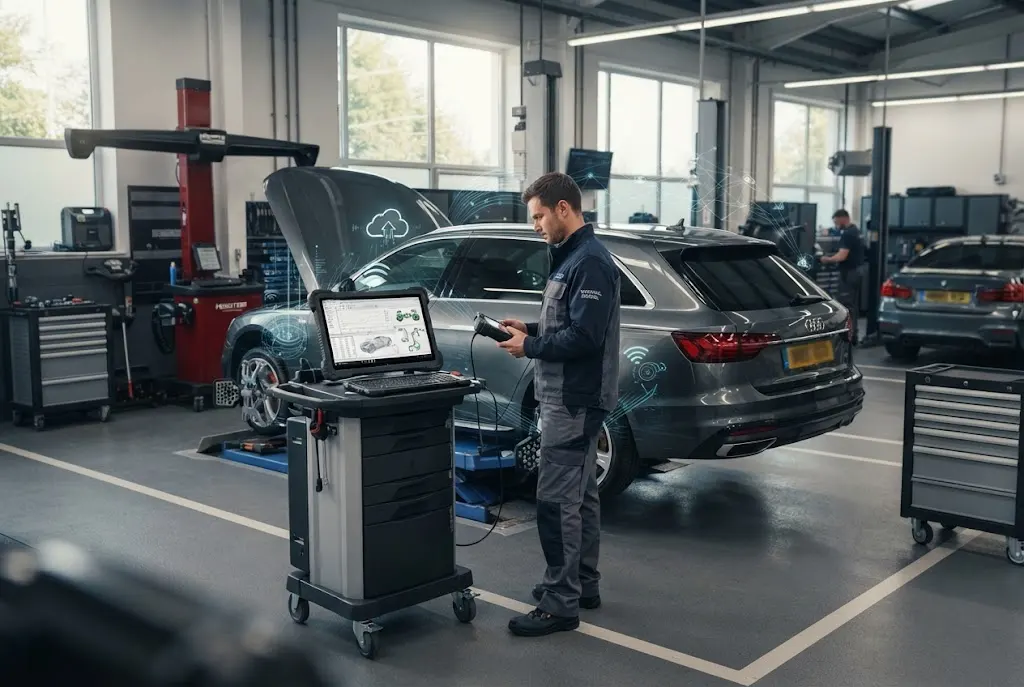
A thorough vehicle inspection can help identify the work that may be required before a customer commits to a repair. Digital inspection tools can also make it easier to document findings and communicate them clearly.
For example, photographs, digital checklists and structured inspection reports can help customers understand why a particular repair has been recommended. Better information can make the financial decision easier because the customer has a clearer picture of what they are paying for.
This also fits into the wider development of connected automotive services, where inspection information, service history and payment systems increasingly work together.
How Repair Finance Fits Into the Wider Automotive Ecosystem
The automotive industry is moving towards increasingly connected customer journeys. Vehicle inspection, servicing, finance and digital marketplaces no longer need to operate as completely separate experiences.
A motorist might discover a vehicle through an online platform, arrange car finance, maintain the vehicle through a digital service provider and receive electronic records throughout the ownership period.
For service businesses, this creates an opportunity to build a more complete digital relationship with customers. Instead of interacting only when something goes wrong, a garage can provide reminders, inspection information, maintenance options and payment services throughout the vehicle’s lifecycle.
The challenge is making these systems genuinely useful. More automation does not necessarily mean a better customer experience. The technology should make information clearer, payments easier to understand and service decisions more transparent.
Are Repair Finance Options Right for Every Driver?
No financial product is suitable for everyone. Some drivers may prefer to pay for repairs from existing savings, while others may need a payment arrangement to manage an unexpected expense.
The right choice depends on the cost of the repair, the urgency of the work, the available alternatives and the customer’s financial circumstances.
It is also worth separating essential safety repairs from optional work. If a vehicle has a safety-critical fault, delaying necessary work simply to avoid a payment decision may not be appropriate. On the other hand, non-essential upgrades can often be considered separately from urgent repairs.
Customers should take time to understand their options instead of choosing finance purely because it reduces the immediate payment.
The Future of Smart Automotive Payments
The future of automotive payments is likely to involve greater integration between service platforms, customer accounts, digital inspections and financial products.
For example, a connected service platform could potentially identify when maintenance is approaching, provide an inspection report, generate an estimate and present relevant payment options through one digital experience.
Data can also help businesses make their service processes more efficient. However, financial decisions require a higher level of transparency than ordinary convenience features. Customers need clear information about what they are agreeing to and what they will ultimately pay.
As digital automotive services mature, the most successful platforms are likely to be those that combine convenience with responsible financial practices and strong customer communication.
Final Thoughts on Repair Finance
Repair finance is becoming part of a broader transformation in how drivers pay for and manage vehicle maintenance. Digital payment systems, maintenance subscriptions, recurring payments and automated service finance can make automotive services more flexible and convenient.
For customers, the priority should remain understanding the total cost, repayment terms and affordability before committing to any payment plan. For garages, transparent pricing and clear communication are essential for building trust.
As automotive technology continues to connect inspections, servicing, finance and digital platforms, payment options will increasingly become part of the wider vehicle ownership experience. Used responsibly, these systems can make necessary vehicle maintenance easier to organise without losing sight of the most important consideration: safe, properly maintained vehicles.