
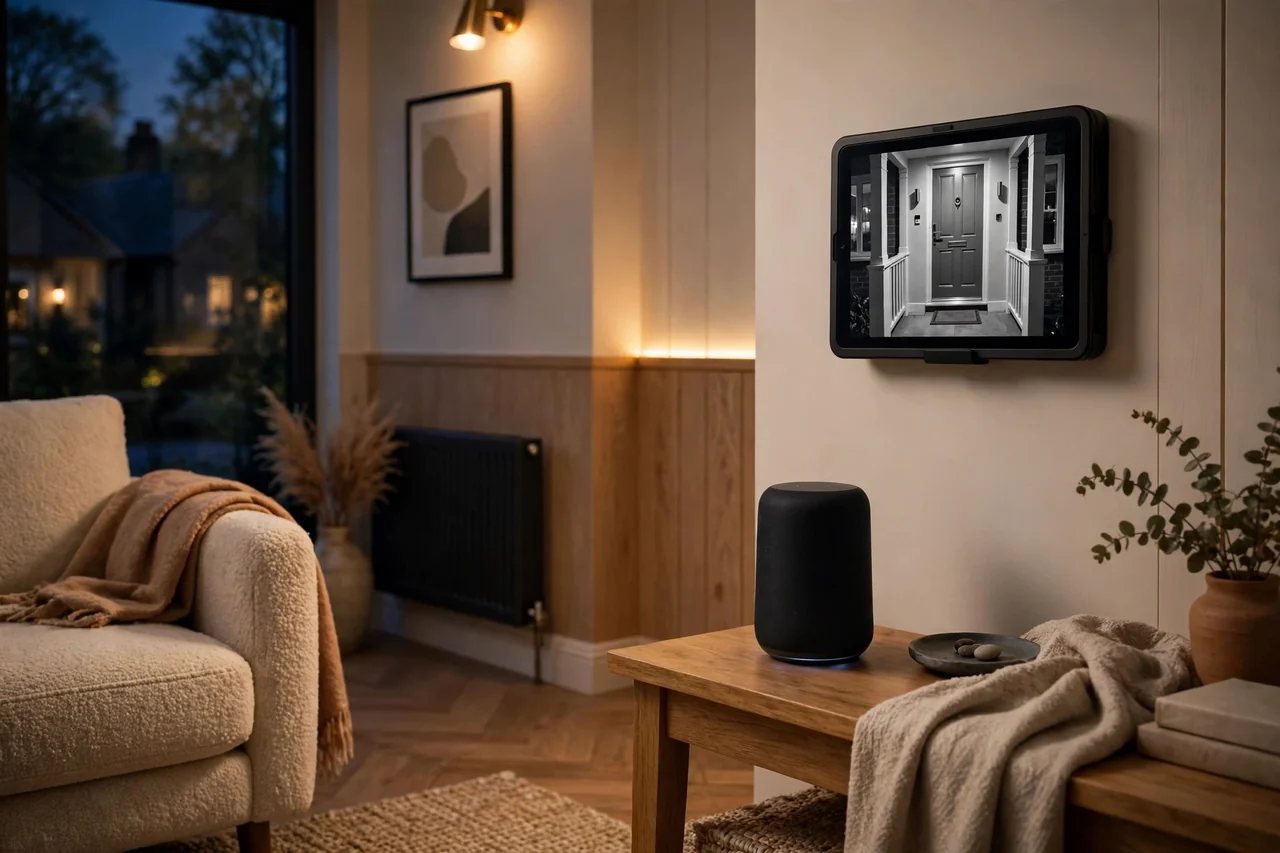
Smart technology has quietly moved from novelty to normal. If you are curious about smart home devices for beginners, the good news is that you no longer need a big budget, a technical background or a full renovation to get started. A single well-chosen device can make your home more comfortable, more secure and cheaper to run, and you can build from there at your own pace.
This guide explains what smart home technology actually does, which devices are worth buying first, and how to set everything up so it works together instead of fighting for your attention.
What Makes a Home “Smart”?
A smart device is simply a household product that connects to the internet and can be controlled through an app, a voice assistant or an automatic schedule. A smart bulb can dim itself at sunset. A smart thermostat learns when you are home and trims your heating bills accordingly. A video doorbell lets you see who is at the door from the sofa or from another country.
The real value is not any single gadget. It is the way devices work together: lights that respond to a door sensor, heating that pauses when a window is opened, or a morning routine where one voice command raises the blinds, starts the coffee machine and reads the weather. Beginners should think in terms of small, useful automations rather than a fully wired house.
The Best Smart Home Devices for Beginners to Buy First
A Smart Speaker or Display
Most people start with a smart speaker because it becomes the control centre for everything else. It plays music and radio, sets timers, answers questions and, crucially, lets you control other devices with your voice. Choose the ecosystem that matches your phone, and place the speaker where you spend the most time, usually the kitchen or living room.
Smart Lighting
Smart bulbs and smart plugs are the cheapest way to feel the benefit immediately. Bulbs let you adjust brightness and colour temperature, set schedules for when you are away, and group rooms together. A smart plug can make an ordinary lamp, fan or heater semi-smart for a fraction of the cost of replacing it, which makes plugs ideal for experimenting.
A Smart Thermostat
Heating is the largest energy cost in most UK homes, so a thermostat that learns your routine can pay for itself. Look for one compatible with your boiler, and check whether you need an engineer to fit it; many systems are designed for confident DIY installation, but gas work must always be left to a registered professional.
Security and Peace of Mind
A video doorbell and one well-placed camera cover most households. Modern doorbells record in high definition, detect people rather than passing cars, and store clips in the cloud. If you are considering smart mirrors and AI-powered home gadgets, you will see the same pattern: cameras and sensors are becoming standard features across the home, so buy from brands with clear privacy settings and two-factor authentication.
How the Technology Connects
Most devices connect through your home Wi-Fi, while others use low-power radios such as Zigbee or Thread and talk to a small hub. Newer standards are making these systems work together far better than they used to, so a bulb from one brand can respond to a sensor from another. The same kind of connected thinking is spreading through the home generally: at-home beauty technology now uses apps and sensors in ways that would have seemed futuristic five years ago, and even AI fragrance technology can adjust scent through the day to match your routine.
For beginners, the practical advice is simple: buy devices that clearly state they work with your chosen voice assistant, keep your router reasonably central, and add a mesh Wi-Fi system if you have dead spots. Reliable connectivity matters more than any single feature.
Setting Up Without the Stress
Start with one room and one device. Install it properly, live with it for a week, and only then decide what to add next. This approach avoids the most common beginner mistake: buying a basket of gadgets in a sale and never configuring half of them. Name devices clearly in the app (“Kitchen Light”, not “Bulb 3”) so voice commands stay natural, and create routines for the moments that repeat daily, such as waking up, leaving the house and going to bed.
It is also worth exploring how far the idea of a connected home now stretches. Tools such as virtual beauty try-on show how cameras and AI have become everyday household technology, while the rise of automotive software means your car is becoming another smart device that updates itself overnight. Your home setup does not need to do everything at once; it needs to do a few things reliably.
Privacy, Security and Running Costs
Every connected device is another door into your network, so basic hygiene matters: change default passwords, enable two-factor authentication, install firmware updates and use a strong Wi-Fi password. Review which apps have access to your microphone, camera and location, and delete the ones you no longer use.
Running costs are usually small: most smart devices sip electricity, and a thermostat or smart lighting used well should save more than the whole system consumes. Subscriptions are the cost to watch; camera cloud storage and premium app features can add up, so factor them into your decision before you buy.
Common Beginner Mistakes to Avoid
The first is mixing ecosystems at random. A house where the lights answer to one assistant, the heating to another and the doorbell to a third quickly becomes annoying rather than smart, so decide on a main platform early and buy compatible devices. The second is ignoring the basics: no smart lock or camera can compensate for a router with an unchanged default password, and updates should be installed promptly rather than postponed.
The third mistake is automating things that do not need automating. A light that turns itself on when you walk into the kitchen at night is genuinely useful; a fridge that orders milk you do not drink is a gimmick. Start with the routines that save time, energy or worry, and let everything else stay manual until you find a real reason to change it.
A Simple Starter Plan
If you want a sensible first month, try this order: one smart speaker, two smart bulbs or plugs in your main living space, then a smart thermostat or video doorbell depending on whether bills or security concern you more. That combination covers control, comfort and peace of mind for a modest outlay, and every later addition will slot into the system you have already built. Smart homes are not finished in a weekend; they evolve with the way you live.